


What's Happening?
Netflix's upcoming World War II drama, 'The Mosquito Bowl,' has revealed details about its cast and the unique chronological filming approach taken by director Peter Berg. The film, inspired by Buzz Bissinger's nonfiction book, follows college football
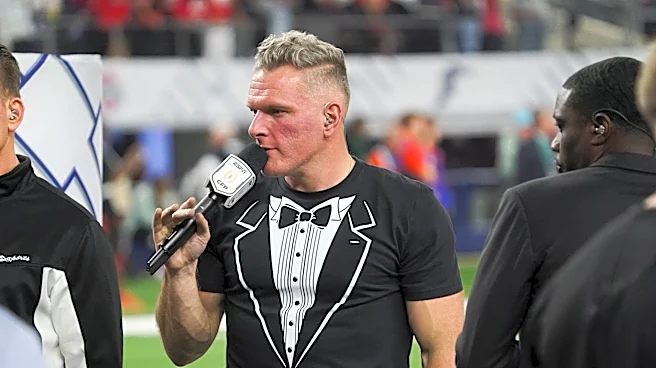
stars John McLaughry, Bob Bauman, Tony Butkovich, and Dave Schreiner as they transition from athletic careers to Marine training and combat in the Pacific theater, culminating in the Battle of Okinawa. Casting director Rachel Tenner emphasized the search for 'fearless' actors willing to fully immerse themselves in the story. The production had actors undergo weeks of rigorous Marine and football training. Notably, much of the film was shot chronologically, allowing the cast to experience their characters' transformations in a similar sequence to the real-life events. This method, uncommon in feature filmmaking, aimed to provide a visceral and authentic portrayal of the young men's journey from hopeful athletes to war-hardened Marines. The cast includes Nicholas Galitzine as John McLaughry, Bill Skarsgård as Bob Bauman, Raymond Nicholson as Tony Butkovich, and Tom Francis as Dave Schreiner. Director Peter Berg also takes on a role as General Simon Buckner, and sports media personality Pat McAfee portrays a fictional Marine drill instructor.
Why It's Important?
The production choices for 'The Mosquito Bowl' highlight a commitment to historical authenticity and character development, which is crucial for war dramas based on real events. By filming chronologically and requiring extensive physical training, the filmmakers aimed to create a more immersive and emotionally resonant experience for both the cast and the audience. This approach can lead to more nuanced performances, as actors evolve with their characters' experiences, potentially offering a deeper understanding of the psychological toll of war on young athletes. The film's focus on individual stories within the broader context of World War II also serves to humanize historical events, reminding viewers of the personal sacrifices made. The involvement of a sports personality like Pat McAfee adds a unique dimension, potentially drawing in a wider audience interested in both sports and historical narratives, while also lending credibility to the football aspects of the story. The film's release on Netflix ensures broad accessibility, allowing a global audience to engage with this significant piece of American history.
What's Next?
The Mosquito Bowl is scheduled for release in theaters and on Netflix on November 25. Following its release, critical and audience reception will determine its impact and potential for awards recognition. The film's chronological shooting method and the actors' immersive training could become a talking point in discussions about filmmaking techniques for historical dramas. The performances of the lead actors, particularly their portrayal of the physical and emotional transformations of their characters, will be closely scrutinized. Furthermore, the film's narrative, which aims to avoid glamorizing war, will likely spark conversations about the depiction of conflict in media and its role in historical remembrance. The film's success could also influence future productions to adopt similar immersive and chronological filming strategies for historical or character-driven narratives, especially within the streaming landscape where unique production values can differentiate content.
Beyond the Headlines
The narrative of 'The Mosquito Bowl' delves into the profound psychological and emotional impact of war on young individuals, particularly those who were once celebrated athletes. The film's commitment to portraying the gradual erosion of youthful confidence and the harsh realities of combat offers a poignant reflection on the loss of innocence. By focusing on the personal stories and using actual letters and historical documents, the film aims to restore the interior lives of these young men, providing a more intimate understanding of their experiences beyond the battlefield. This approach raises ethical considerations about how historical trauma is represented and the responsibility of filmmakers to honor the memory of those who served. The film also subtly explores themes of camaraderie, leadership, and resilience under extreme duress, offering insights into the human spirit's capacity to endure and adapt. The contrast between the glory of college football and the brutality of war serves as a powerful metaphor for the abrupt and devastating changes that defined a generation.