








What's Happening?
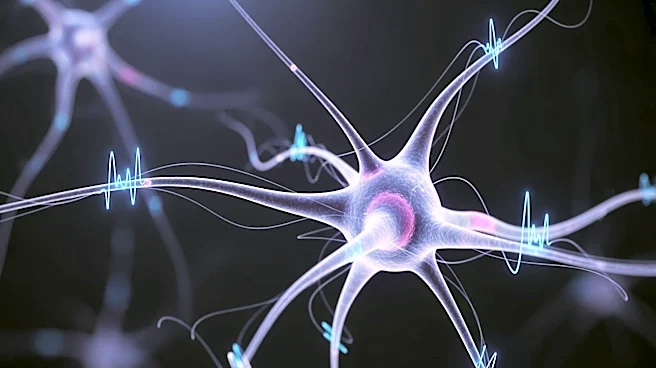
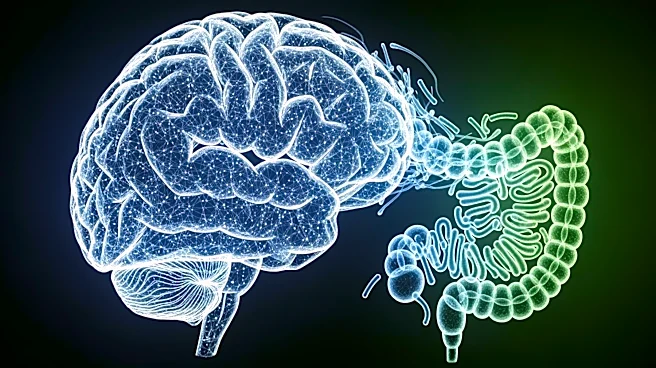
Recent research led by Case Western Reserve University suggests that bacterial sugars in the gut may contribute to neurodegenerative diseases such as amyotrophic lateral sclerosis (ALS) and frontotemporal dementia (FTD). These conditions, which involve
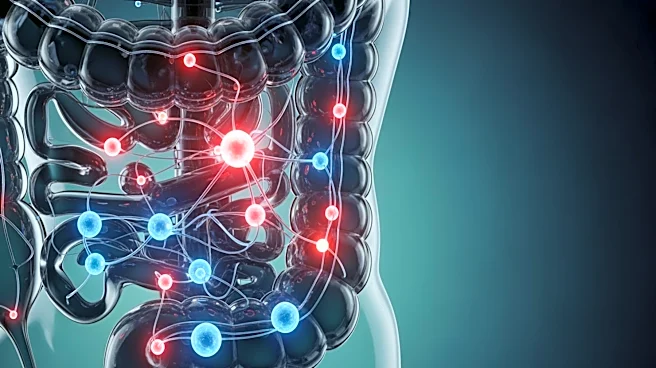
neuron death, are linked to a variation of the C9ORF72 gene. The study found that harmful gut bacteria produce inflammatory glycogen, triggering immune responses that damage the brain. Using a mouse model, researchers identified Parabacteroides merdae as a bacteria strain that causes inflammation and a breakdown of the blood-brain barrier. The study also noted higher levels of inflammatory glycogen in ALS patients compared to healthy controls.
Why It's Important?
This research highlights a potential new avenue for understanding and treating neurodegenerative diseases. By identifying gut bacteria as a trigger, it opens the possibility of developing treatments that target the gut rather than the brain. This could lead to new strategies for managing diseases like ALS and FTD, which currently have limited treatment options. The findings also underscore the complex relationship between gut health and neurological conditions, suggesting that managing gut bacteria could play a role in disease prevention and progression.
What's Next?
The research team plans to expand their studies to human participants, focusing on different types of glycogen-producing bacteria. They aim to conduct larger studies on gut microbiome communities in ALS/FTD patients before and after disease onset. Clinical trials to explore whether glycogen degradation could slow disease progression are also anticipated. These steps could pave the way for new therapeutic approaches targeting gut bacteria to mitigate the impact of neurodegenerative diseases.