







What's Happening?
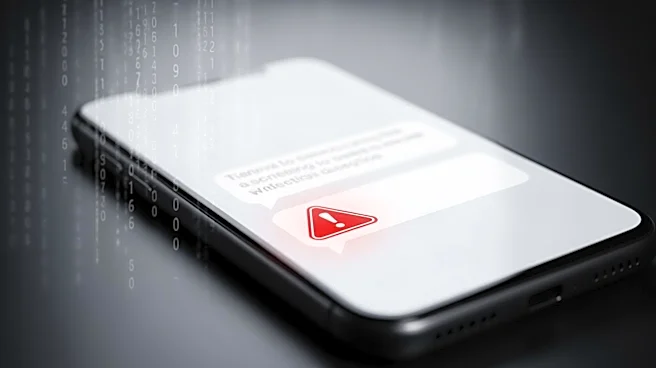
The FBI has issued a warning about 'banking spoof call' scams, where scammers use banks' phone numbers to deceive individuals into revealing sensitive information. These scams involve disguising the caller's number to appear as a legitimate financial
institution, tricking victims into transferring money to fraudulent accounts. One victim reported losing $40,000 after being convinced to move funds to a 'secure' account. The FBI advises setting up two-factor authentication, scrutinizing email addresses and URLs, and avoiding unsolicited links to prevent falling victim to these scams.
Why It's Important?
This warning highlights the increasing sophistication of financial scams and the need for heightened consumer awareness and vigilance. The impact on victims can be severe, with significant financial losses and potential identity theft. The prevalence of such scams underscores the importance of robust cybersecurity measures and consumer education. Financial institutions may need to enhance their security protocols and communication strategies to protect customers and maintain trust. The broader societal impact includes potential regulatory responses to strengthen protections against such fraudulent activities.
What's Next?
Consumers are encouraged to report any suspected spoofing or phishing scams to the FBI's Internet Crime Complaint Center. Financial institutions may increase efforts to educate customers about recognizing and avoiding scams. Regulatory bodies could consider implementing stricter guidelines for financial institutions to prevent spoofing and enhance consumer protection. The ongoing evolution of scam tactics may lead to further innovations in cybersecurity solutions and collaboration between law enforcement and financial sectors to combat fraud.