




What's Happening?
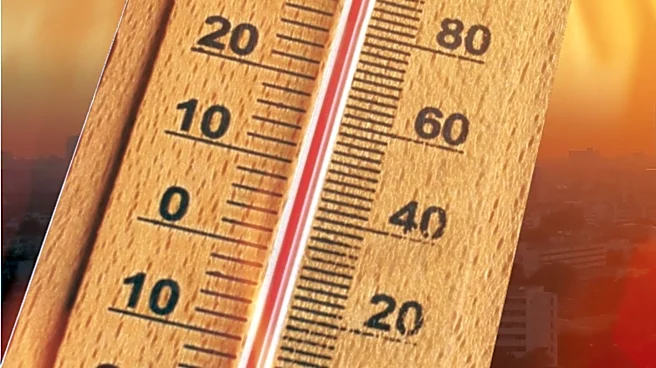
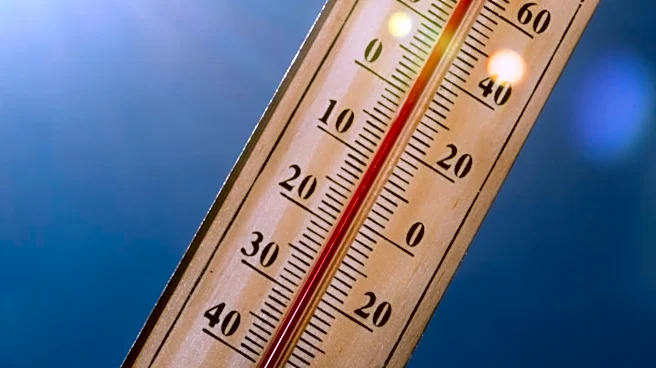
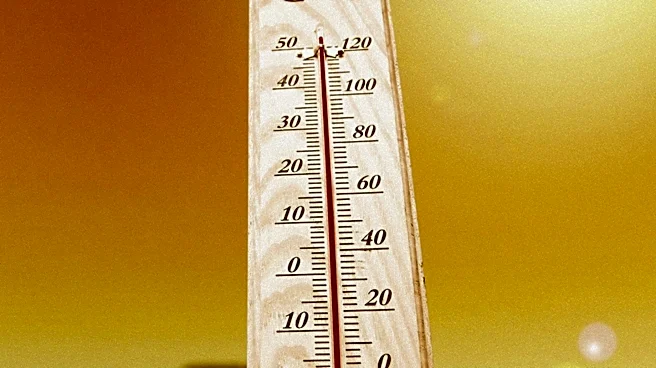
A severe heatwave is affecting central and southern parts of the United States, with at least 40 million people under extreme heat warnings. The National Weather Service reports that heat indexes are exceeding 100°F, stretching from Minnesota to Mississippi
and extending west into California and Nevada. Some areas in the southwest are experiencing temperatures as high as 120°F. This heatwave is attributed to a 'heat dome,' a meteorological phenomenon that traps heat and prolongs high temperatures. The extreme conditions are causing significant discomfort and health risks, particularly for vulnerable populations such as the elderly and those with pre-existing health conditions.
Why It's Important?
The ongoing heatwave underscores the increasing frequency and intensity of extreme weather events, which are often linked to climate change. Such conditions pose serious health risks, including heatstroke and dehydration, and can exacerbate existing health issues. The economic impact is also significant, affecting industries such as agriculture, energy, and outdoor labor. The heatwave highlights the urgent need for climate adaptation strategies and infrastructure improvements to protect communities from the adverse effects of extreme weather. Public health advisories emphasize the importance of staying hydrated, seeking air-conditioned environments, and limiting outdoor activities during peak heat.
What's Next?
Meteorologists predict that the heatwave will continue, with temporary relief expected in some areas by mid-week. However, high temperatures may return by the weekend. Authorities are advising residents to remain vigilant and take necessary precautions to protect themselves from the heat. The situation may prompt further discussions on climate resilience and the need for comprehensive policies to address the challenges posed by climate change. As the heatwave persists, emergency services and community organizations are likely to continue providing support to those most affected.