




What's Happening?
The Institute for the Study of War (ISW) and The Critical Threats Project (CTP) have reported on the ongoing conflict involving Iran, focusing on U.S. and Israeli military actions and Iran's responses. Iran is aiming to secure recognition of its sovereignty
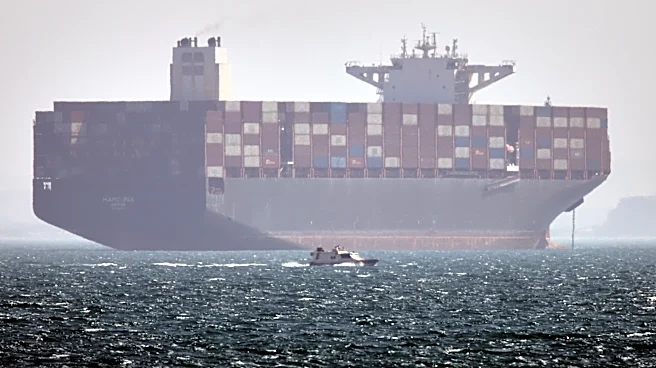
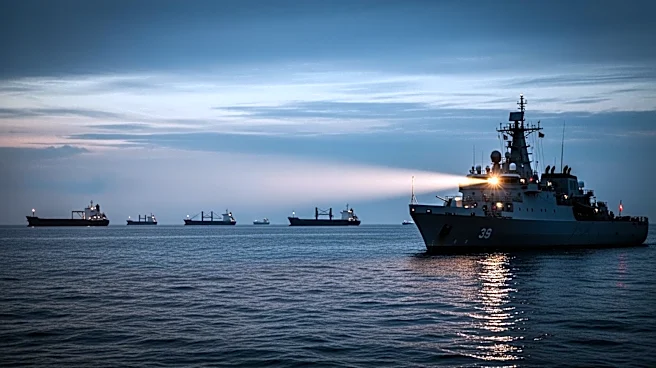
over the Strait of Hormuz, a strategic maritime passage. This move is part of Iran's broader strategy to achieve positive strategic objectives beyond merely surviving the conflict. Iran has been denying access to the Strait through various military tactics, including mining and missile attacks. The Iranian government is also seeking economic relief, which could help reconstitute its ballistic missile program. The regime is preparing for potential domestic unrest due to economic instability, with Iranian officials emphasizing economic management to prevent regime collapse.
Why It's Important?
The control of the Strait of Hormuz by Iran could significantly impact global maritime norms and U.S. interests. The Strait is a critical chokepoint for global oil shipments, and Iranian control could allow Tehran to disrupt markets and impose tolls, affecting global oil prices and economic stability. The potential lifting of U.S. sanctions and unfreezing of Iranian assets could enable Iran to rebuild its missile capabilities, posing a threat to regional stability. The situation also highlights the complex geopolitical dynamics in the Middle East, with implications for U.S. foreign policy and its alliances in the region. The ongoing negotiations and potential agreements could reshape the balance of power and influence in the Persian Gulf.
What's Next?
Negotiations between the U.S. and Iran are ongoing, with reports suggesting a possible memorandum of understanding that could end the conflict and open a window for further negotiations. The proposed framework includes an Iranian moratorium on nuclear enrichment and partial sanctions relief. However, Iranian officials have largely rejected these reports, indicating that the negotiations are complex and fraught with challenges. The outcome of these negotiations could have significant implications for regional security and U.S.-Iran relations. The international community will be closely monitoring the situation, as any agreement could set a precedent for future diplomatic engagements with Iran.
Beyond the Headlines
The potential recognition of Iranian control over the Strait of Hormuz raises ethical and legal questions about maritime sovereignty and international law. It could set a precedent for other nations seeking to assert control over strategic waterways. The situation also underscores the challenges of balancing national security interests with economic and diplomatic considerations. The Iranian regime's efforts to manage domestic unrest highlight the internal pressures it faces, which could influence its foreign policy decisions. The broader implications of this conflict extend beyond the immediate region, affecting global energy markets and international diplomatic relations.