


What's Happening?
Indonesia, through its sovereign wealth fund Danantara Indonesia, is implementing a comprehensive waste-to-energy program. This initiative aims to address the country's significant urban waste problem by converting it into a productive national asset.
The program, which is part of a new investment strategy under President Prabowo Subianto, envisions 33 facilities across at least 61 districts and cities, covering approximately 24% of the estimated national waste generation. When fully operational, these facilities are projected to generate around 500 megawatts of electricity. Organic waste, which constitutes about 52% of material in surveyed landfills and is a major source of methane emissions, is a primary target for this conversion. Three initial projects in Bali, Bekasi, and Bogor are already under construction, with more planned for groundbreaking in early 2027. Danantara has also secured significant financing interest from 34 financial institutions, exceeding three times the program's estimated requirements.
Why It's Important?
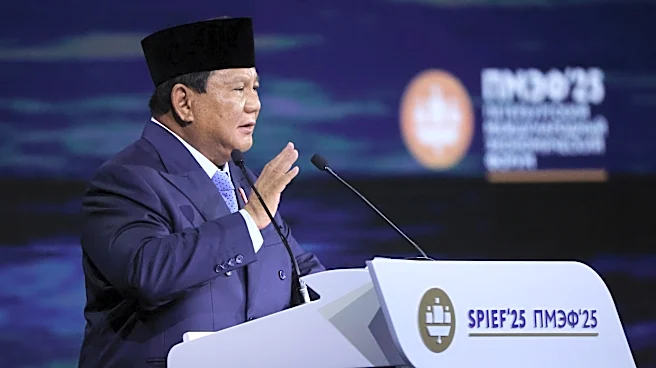
This waste-to-energy program is significant for Indonesia as it tackles a critical environmental issue while simultaneously fostering economic growth and energy independence. By transforming waste into electricity, the country can reduce methane emissions, mitigate pollution, and create a sustainable energy source. The initiative also represents a shift in Indonesia's investment strategy, moving towards an activist co-investment model where the nation actively directs capital towards its own economic transformation. This approach, led by Danantara Indonesia, aims to optimize the management of Indonesia's wealth for national development rather than solely relying on foreign capital attraction. The success of this model could serve as a template for other strategic sectors within Indonesia and potentially influence investment strategies in other developing nations facing similar challenges.
What's Next?
The Indonesian government plans to continue the rollout of its waste-to-energy facilities, with further groundbreaking targeted from early 2027 for a second phase covering eight locations. The program's success will depend on the commercial viability of these projects, effective emissions controls, and responsible waste management practices. President Prabowo Subianto has emphasized that Danantara Indonesia will function as a national development instrument, indicating a continued focus on strategic investments that align with national needs. The ongoing implementation and expansion of this program will demonstrate Indonesia's capacity to convert environmental challenges into economic opportunities and establish a new model for national development and investment.
Beyond the Headlines
The waste-to-energy initiative in Indonesia highlights a broader global trend of nations seeking innovative solutions to environmental and energy challenges. This program not only addresses waste management and energy production but also signifies a strategic shift in how developing economies can leverage their own resources and financial institutions for national development. The 'activist co-investment model' championed by President Prabowo Subianto suggests a move away from traditional reliance on external investment, empowering countries to take a more direct role in shaping their economic future. This could have long-term implications for international development finance and the role of sovereign wealth funds in driving sustainable growth and addressing critical infrastructure gaps in emerging markets.