



What's Happening?
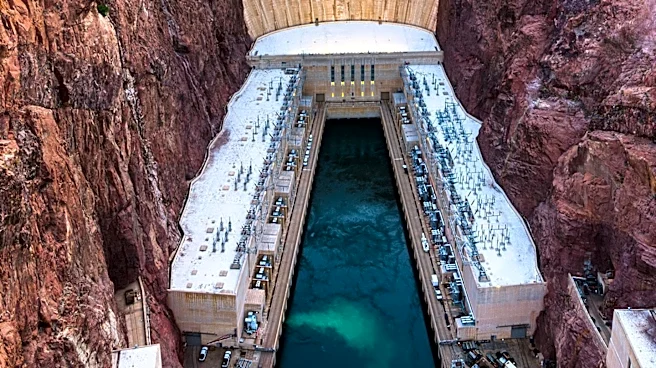
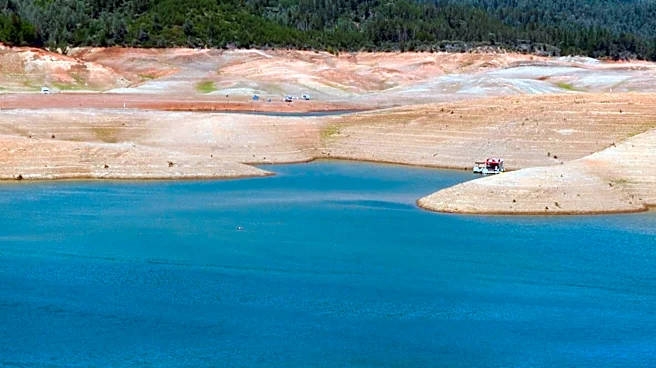
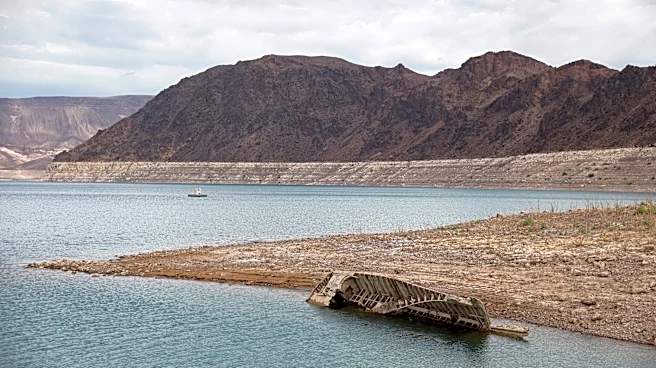
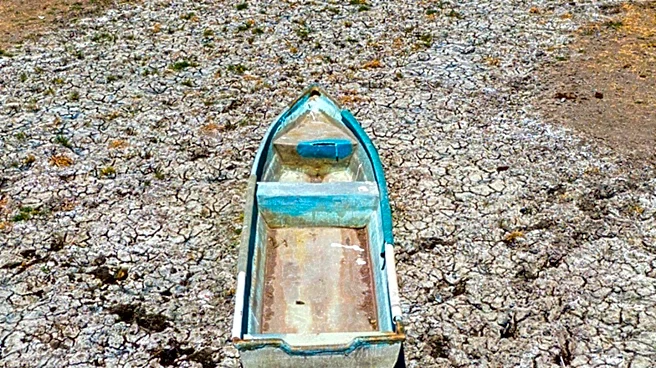
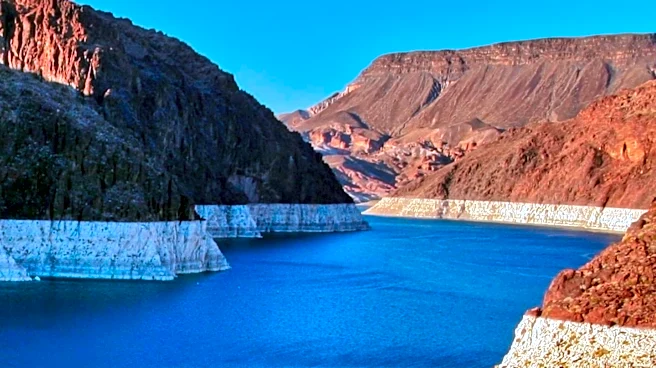
Federal officials have decided not to release cool water from Colorado River reservoirs to protect the threatened humpback chub fish, prioritizing hydropower generation instead. This decision follows a record low snowpack and ongoing climate change impacts,
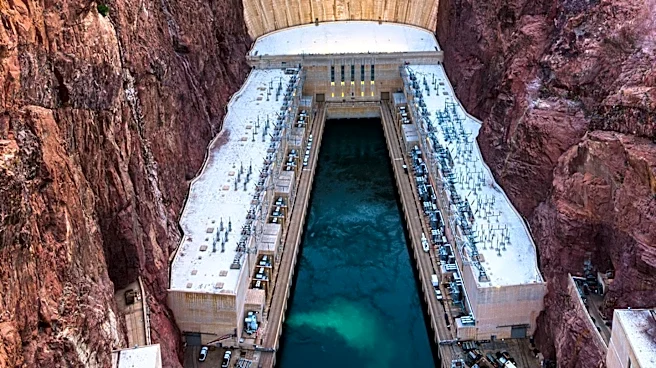
which have strained water resources. The Bureau of Reclamation cited significant concerns over hydropower generation, as releasing cool water would bypass turbines, reducing electricity output. The decision has sparked disappointment among conservationists who argue that cool water releases are crucial for preventing invasive smallmouth bass from threatening native fish populations.
Why It's Important?
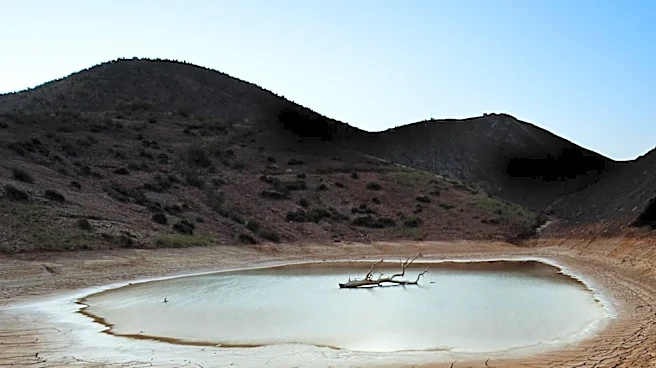
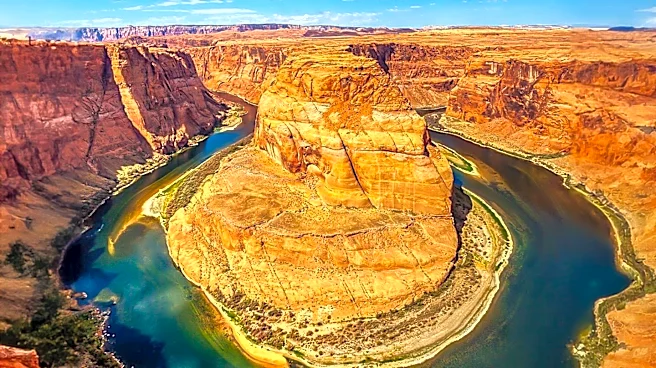
The decision highlights the complex challenges of managing the Colorado River, a vital resource for millions of people and ecosystems across the southwestern U.S. The tradeoff between fish conservation and hydropower generation underscores the broader issue of balancing environmental protection with energy needs. As climate change exacerbates water scarcity, such decisions will become increasingly contentious, impacting stakeholders from agricultural sectors to urban water users and environmental groups.
What's Next?
The Bureau of Reclamation plans to focus on alternative measures to protect the humpback chub, including rapid response removal actions and structural solutions. The decision may lead to increased electricity costs for consumers as utilities seek alternative energy sources. Ongoing discussions among states reliant on the Colorado River will be crucial in developing long-term strategies to address water scarcity and environmental conservation. Collaborative efforts will be necessary to ensure sustainable management of this critical resource.