






What's Happening?
Germany has introduced a new military service policy that mandates men aged 17 to 45 to obtain permission from the armed forces for any stay abroad exceeding three months. This legislation, effective from January 1, aims to bolster military ranks without
reinstating compulsory service. The policy requires all 18-year-old men to complete a questionnaire assessing their suitability for military service. If voluntary recruitment fails to meet targets, the German parliament may reconsider conscription. The law's fine print, which recently gained media attention, has sparked public protests, particularly among school pupils. The defense ministry confirmed the requirement, stating it is necessary to track potential conscripts' whereabouts in case of urgent need. However, the ministry assured that the regulation, reminiscent of Cold War-era rules, is largely without consequence and not subject to sanctions.
Why It's Important?
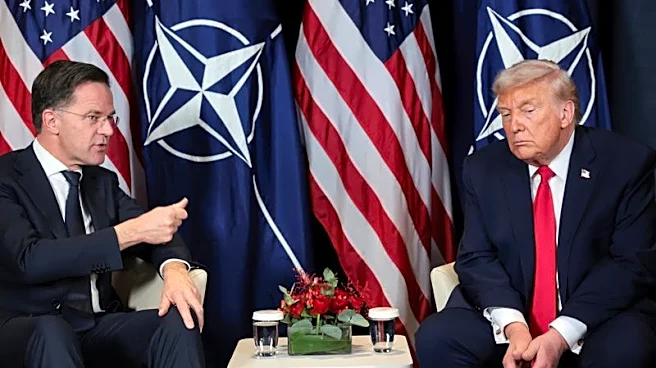
This development is significant as it reflects Germany's strategic shift towards strengthening its military capabilities amid growing security concerns in Europe, particularly following Russia's invasion of Ukraine. The policy underscores Germany's intent to create a robust conventional army, potentially the strongest in Europe, by 2035. This move also highlights Germany's response to perceived uncertainties regarding U.S. commitment to European security under President Trump. The legislation's impact extends to millions of German citizens who may be affected by the travel restrictions, raising concerns about personal freedoms and bureaucratic hurdles. The policy's implementation could influence Germany's defense posture and its role within NATO, affecting broader European security dynamics.
What's Next?
The German government will likely monitor the policy's impact on military recruitment and public response. If voluntary enlistment does not meet expectations, discussions on reintroducing compulsory service may intensify. The defense ministry plans to clarify administrative procedures to streamline the approval process for long stays abroad, aiming to minimize bureaucratic burdens. As the policy unfolds, it may prompt further public debate and potential legal challenges regarding its implications on civil liberties. The international community, particularly NATO allies, will be observing Germany's military developments closely, as they could influence collective defense strategies in Europe.