



What's Happening?
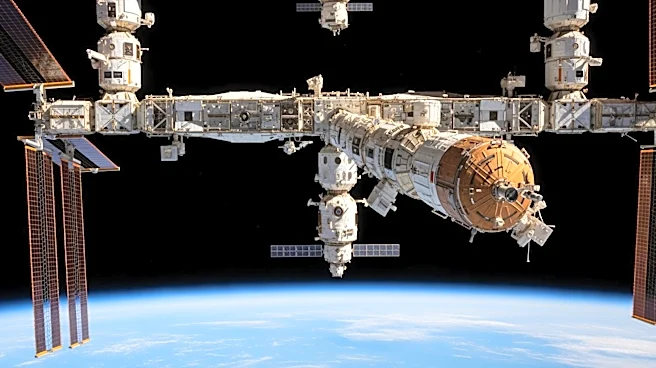
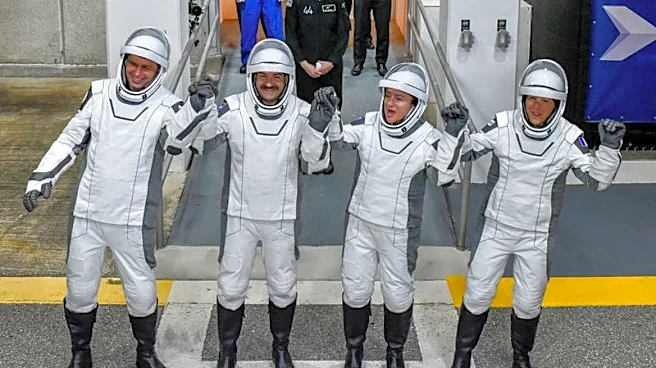
Operations aboard the International Space Station (ISS) have returned to normal following a brief precautionary shelter period. This was prompted by structural concerns in the Russian segment of the station. Crew members, including NASA astronauts Jessica
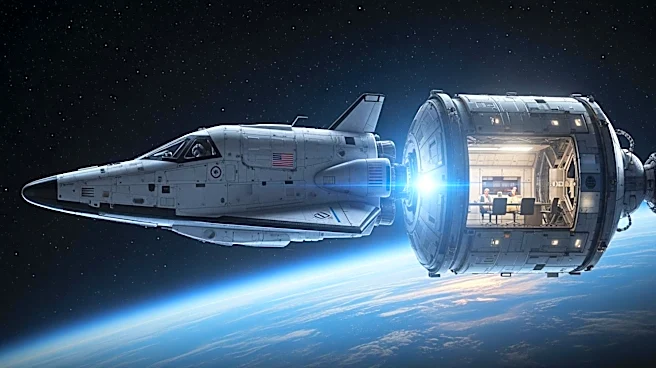
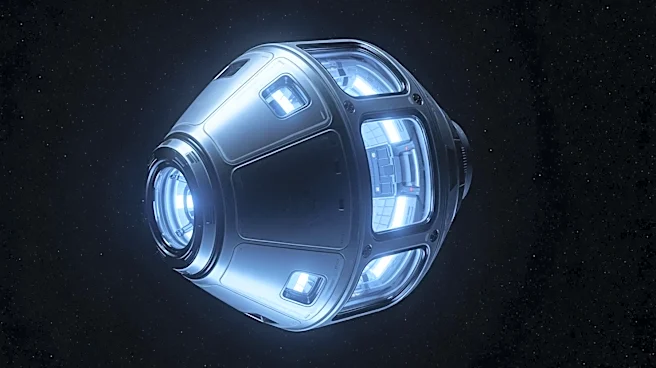
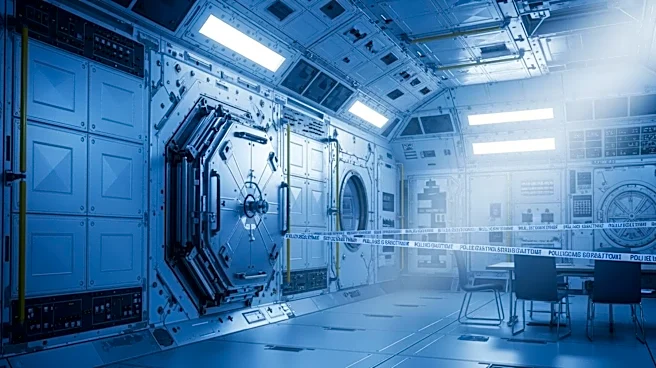
Meir and Jack Hathaway, European Space Agency astronaut Sophie Adenot, and Roscosmos cosmonaut Andrey Fedyaev, temporarily took refuge in the docked SpaceX Dragon spacecraft. The precaution was taken after Russia's Roscosmos agency paused repair work on newly discovered leaks in the Zvezda service module transfer tunnel, an area that has experienced repeated cracking issues. NASA Press Secretary Bethany Stevens confirmed that the crew followed established safety procedures while the situation was assessed. The incident underscores the ongoing challenges of maintaining the aging orbital complex and the international cooperation required to keep it operational.
Why It's Important?
The incident highlights the vulnerabilities of the aging International Space Station, which has been in operation for over two decades. The need for constant vigilance and maintenance is critical to ensure the safety of the crew and the continuation of scientific research conducted in space. The cooperation between NASA and Roscosmos is essential in addressing these technical challenges, reflecting the broader importance of international collaboration in space exploration. The ability to manage such incidents effectively is crucial for the future of human spaceflight and the potential expansion of space missions beyond low Earth orbit.
What's Next?
NASA and Roscosmos will continue to monitor the affected area and evaluate the next steps to address the leaks in the Zvezda module. The agencies are expected to collaborate on a long-term solution to prevent similar issues in the future. This incident may prompt discussions on the future of the ISS and the need for new infrastructure to support ongoing and future space missions. The outcome of these evaluations could influence decisions on extending the operational life of the ISS or accelerating plans for new space stations.
Beyond the Headlines
The recurring structural issues in the ISS raise questions about the sustainability of long-term human presence in space. As the station ages, the frequency of maintenance and repair needs is likely to increase, potentially impacting the cost and feasibility of continued operations. This situation also highlights the importance of developing new technologies and materials that can withstand the harsh conditions of space for extended periods. The incident may also influence public and governmental support for space exploration initiatives, emphasizing the need for robust international partnerships.