



What's Happening?
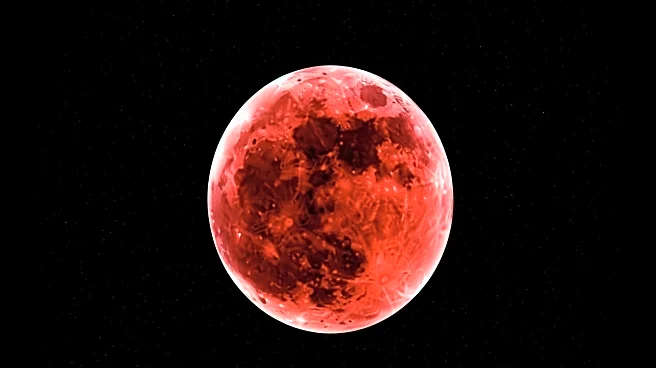
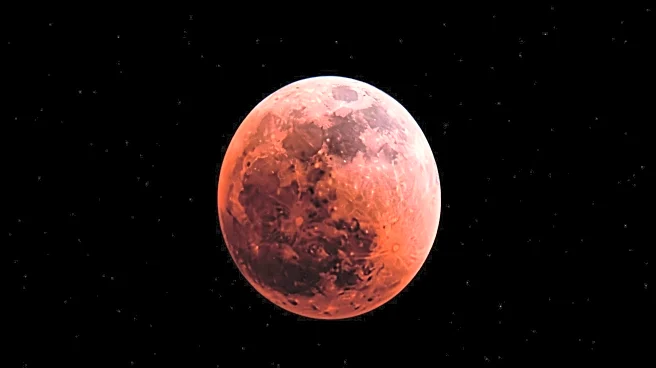
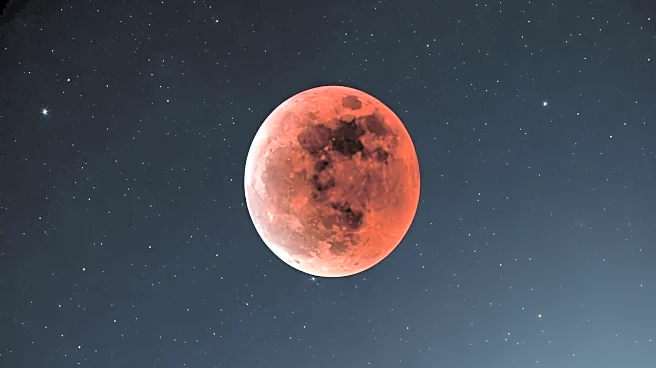
On March 3, 2026, a total lunar eclipse will occur, marking the last such event visible from North America until 2029. During this eclipse, the full Worm Moon will turn a deep copper-red for 58 minutes. While the eclipse is visible to the naked eye, using
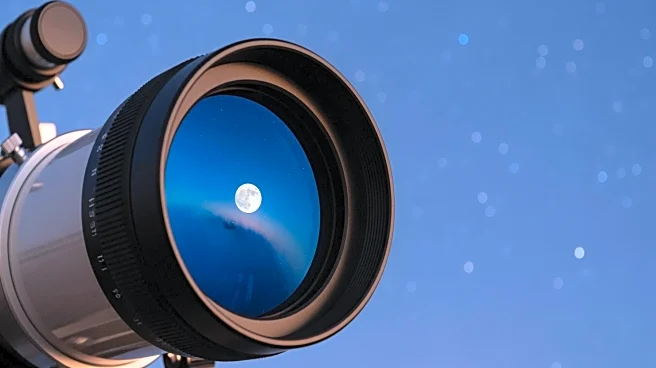
the right optics can significantly enhance the viewing experience. Binoculars, monoculars, and telescopes are recommended for those who wish to see the event in greater detail. These tools not only improve the view of the eclipse but are also useful for other stargazing activities, such as observing planets, star clusters, and deep-sky objects. Investing in quality optics can provide years of rewarding stargazing experiences beyond the eclipse night.
Why It's Important?
The upcoming total lunar eclipse presents a unique opportunity for both amateur and seasoned stargazers to witness a celestial event in enhanced detail. The use of optics like binoculars and telescopes allows viewers to see features of the moon that are not visible to the naked eye, such as mountain ranges and crater rims. This event encourages interest in astronomy and can lead to increased sales and interest in optical equipment. Additionally, it highlights the importance of preparing for such events to maximize the viewing experience, potentially boosting educational and recreational activities related to astronomy.
What's Next?
Following the eclipse, those who invest in optical equipment can continue to use these tools for various stargazing activities. The next total lunar eclipse visible from North America will not occur until 2029, making this event a significant opportunity for observation. Astronomy enthusiasts and educational institutions may organize viewing events and workshops to engage the public and foster a deeper interest in space exploration. The continued use of optics for observing other celestial events and objects can sustain interest in astronomy and related sciences.