


What's Happening?
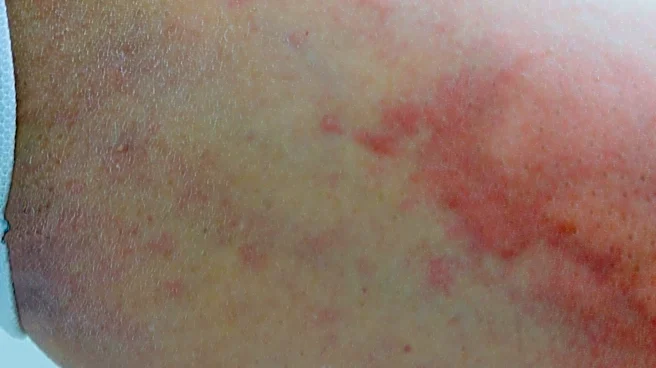
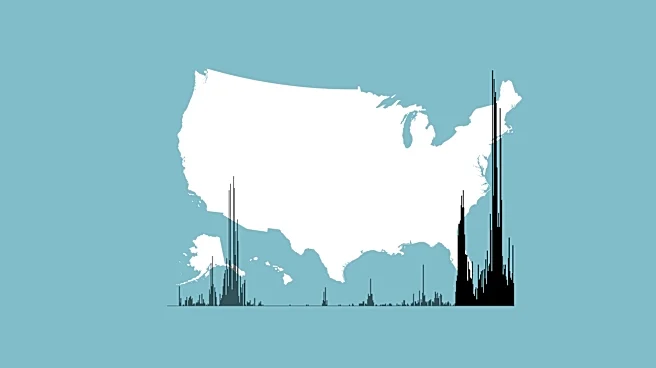
The Centers for Disease Control and Prevention (CDC) has reported the largest number of measles cases in the United States in 35 years. This resurgence is linked to a significant decline in childhood vaccination rates, influenced by political and religious
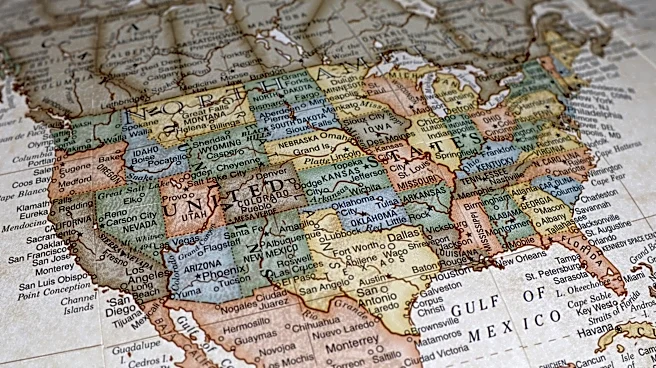
movements that have opposed vaccines and public health measures. The outbreaks are notably concentrated in areas with low vaccination rates, such as West Texas, South Carolina, Utah, and parts of Virginia. These regions have become vulnerable due to a combination of misinformation, ideological resistance, and organized attacks on public health initiatives.
Why It's Important?
The increase in measles cases highlights the consequences of declining vaccination rates, which threaten public health and community immunity. The situation underscores the impact of misinformation and ideological opposition to vaccines, which have eroded trust in scientific and medical expertise. This trend poses a risk not only to the affected communities but also to national health security, as preventable diseases could become more widespread. The resurgence of measles serves as a warning about the potential for other preventable diseases to re-emerge if vaccination rates continue to fall.
What's Next?
Efforts to address the measles outbreak will likely involve public health campaigns to increase vaccination rates and counter misinformation. Health authorities may need to engage with communities to rebuild trust in vaccines and public health measures. Additionally, there could be policy discussions on how to strengthen public health infrastructure and prevent similar outbreaks in the future. The response will require collaboration between government agencies, healthcare providers, and community leaders to ensure effective communication and intervention strategies.
Beyond the Headlines
The measles outbreak reflects broader societal challenges, including the politicization of public health and the spread of misinformation. It raises ethical questions about the responsibility of communities and individuals to protect public health. The situation also highlights the need for resilience in public health systems to adapt to changing societal attitudes and ensure the protection of vulnerable populations, particularly children who rely on adults to make informed health decisions.