






What's Happening?
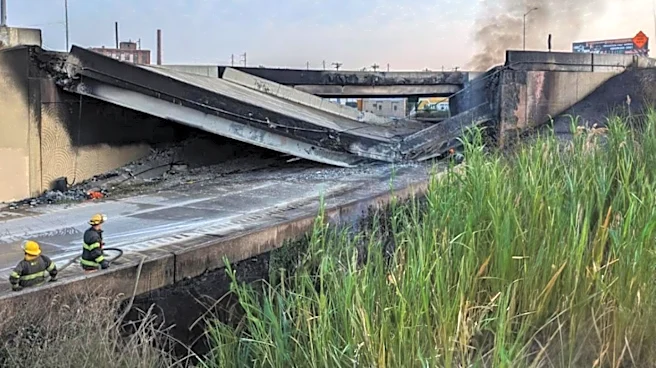
Paso Robles Fire & Emergency Services recently led a multi-agency mass-casualty and technical rescue exercise at the new Public Safety Training Center at Station 3. The drill simulated an overpass collapse, involving four crushed and damaged vehicles
with simulated victims and tons of concrete panels. Twenty-nine responders from various agencies participated, including personnel from Paso Robles Fire & Emergency Services, Atascadero Fire, Cal Fire, the Paso Robles Police Department, San Luis Ambulance, Alliance Towing, and the Community Emergency Response Team. The exercise focused on coordinating response, rescue, and patient care during a complex emergency. The department's Technical Rescue Team practiced victim recovery, structural stabilization, shoring, and breaching. Fire crews also practiced initial size-up, establishing command, requesting additional resources, mass-casualty incident activation, patient triage and treatment, vehicle stabilization, and simulated extrication. Ambulance personnel practiced patient packaging, continued treatment, and simulated transport using manikins for lifesaving interventions. San Luis Obispo County EMS Medical Director Dr. William Mulkerin observed the drill, which was directed by Battalion Chief Nate Bass and organized by Fire Engineer Austin Rucker with support from Community Risk Reduction Fire Captain Ross Porter.
Why It's Important?
This multi-agency drill is crucial for enhancing the preparedness and coordination of emergency responders in the event of a large-scale disaster, such as an overpass collapse. By simulating a complex and high-stakes scenario, the exercise allows various departments to practice working together, identify potential communication gaps, and refine their operational procedures. This integrated approach ensures a more efficient and effective response when real emergencies occur, ultimately saving lives and minimizing casualties. The new Public Safety Training Center, funded by voter-approved Measure J-20 and federal Community Project Funding, provides a realistic environment for such critical training, which is vital for maintaining public safety infrastructure and response capabilities. The involvement of multiple agencies, including fire, police, and ambulance services, underscores the importance of a unified command structure and interoperability in emergency management. This type of training directly impacts the safety and well-being of the community by ensuring that first responders are well-equipped and coordinated to handle catastrophic events.
What's Next?
The successful execution of this drill at the new Public Safety Training Center is expected to lead to further multi-agency training exercises, leveraging the facility's capabilities. Battalion Chief Nate Bass emphasized the value of Measure J-20 and its impact on public safety, suggesting continued investment in such training initiatives. The department also plans to continue its community outreach efforts, including fire prevention and emergency preparedness events, elementary school visits, and fire station tours. Residents are encouraged to sign up for community alerts at ReadySLO. The insights gained from this overpass collapse drill will likely be incorporated into updated emergency response protocols and training curricula for all participating agencies. This continuous improvement cycle ensures that emergency services remain at the forefront of disaster preparedness and response, adapting to new challenges and technologies. The ongoing use of the training center will foster stronger inter-agency relationships and a more resilient emergency response system for the region.
Beyond the Headlines
The establishment and utilization of the Public Safety Training Center highlight a broader trend in public safety: the increasing emphasis on realistic, multi-agency training to address complex disaster scenarios. This initiative reflects a proactive approach to risk mitigation, moving beyond theoretical planning to practical, hands-on exercises. The funding mechanisms, including local tax measures like Measure J-20 and federal support, underscore the community's and government's commitment to investing in robust emergency services. This investment not only enhances the technical skills of first responders but also builds critical inter-agency trust and communication, which are often tested under extreme pressure. The drill also touches upon the psychological preparedness of responders, as simulating mass-casualty events can help them better cope with the realities of such incidents. Ultimately, these efforts contribute to a more resilient community capable of withstanding and recovering from unforeseen disasters, fostering a sense of security and confidence among residents.