





What's Happening?
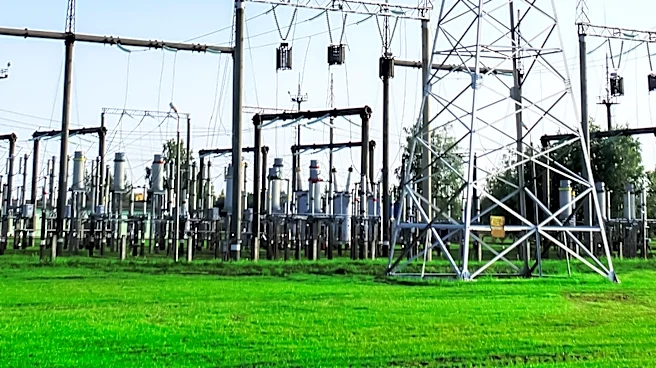
Texas is at the forefront of electric grid modernization efforts as it faces increasing stress from extreme weather conditions. The state has become a testing ground for new technologies and strategies to handle record seasonal demand, particularly following
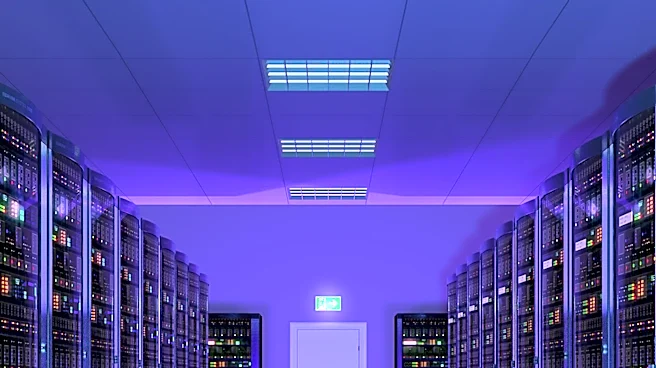
the deadly 2021 winter storm that exposed significant weaknesses in the grid. Measures such as rapid battery expansion, improved forecasting, and mandatory weatherization have been implemented to enhance grid stability. Additionally, the Public Utility Commission of Texas has approved standards requiring large data centers to disconnect in a controlled manner during grid disturbances. These efforts are part of a broader initiative to ensure the grid can meet the surging demand driven by climate change and the growing electricity needs of AI data centers.
Why It's Important?
The modernization of the electric grid in Texas is crucial for maintaining reliability and efficiency in the face of increasing demand and extreme weather events. As electricity demand continues to rise, particularly from AI data centers, the grid's ability to adapt and manage stress is vital for economic stability and public safety. The integration of technologies such as virtual power plants, which link home batteries, solar panels, and EV chargers, is becoming essential to supply electricity or reduce demand during peak periods. These advancements not only support grid reliability but also contribute to the broader energy transition towards more sustainable and resilient infrastructure.
What's Next?
In the coming years, electric grids are expected to become more agile and flexible, driven by necessity. The focus will likely shift towards valuing efficiency, flexible backup options, and active management of electric demand. This includes the use of storage, self-generation, and microgrids. As these technologies are already available, their implementation will be key to accommodating future demand and ensuring grid stability. Stakeholders, including utilities and policymakers, will need to continue investing in and supporting these modernization efforts to meet the challenges posed by climate change and technological advancements.