







What's Happening?
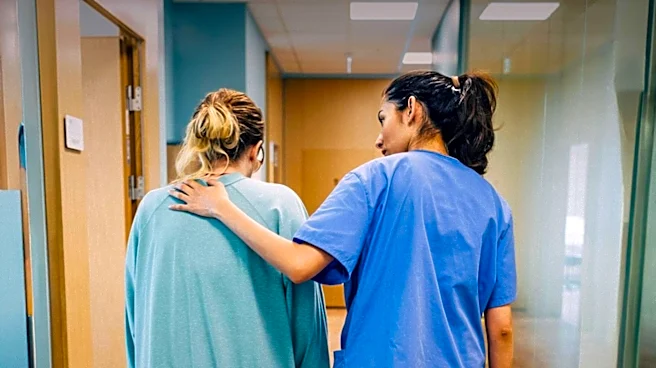
In Casper, Wyoming, a significant shortage of obstetricians and gynecologists is causing strain on the remaining practitioners and impacting patient care. Dr. Susan Sheridan, one of the two remaining OB-GYNs in the area, describes the overwhelming schedule
as unsustainable. The number of OB-GYNs in Wyoming's second-largest city has decreased from six to two, leading to increased on-call duties and delayed non-urgent services. This shortage is part of a broader issue in Wyoming, where several hospitals have closed their labor and delivery wards, leaving only 16 birthing hospitals across the state. The situation is exacerbated by financial challenges and difficulties in recruiting new doctors to rural areas.
Why It's Important?
The shortage of maternity care providers in Wyoming highlights a critical gap in healthcare access for rural communities. This situation not only affects the quality of care for expectant mothers but also poses risks to maternal and infant health. The lack of adequate maternity services can lead to delayed or foregone prenatal care, which is essential for healthy pregnancies. Additionally, the stress on existing healthcare providers can lead to burnout and further reduce the availability of care. Addressing these shortages is crucial for ensuring that rural populations have access to necessary healthcare services.
What's Next?
Efforts to address the maternity care shortage in Wyoming include legislative discussions and potential policy changes. Dr. Sheridan has testified before the Joint Labor, Health & Social Services Committee, advocating for solutions such as expanding medical education programs and improving recruitment incentives. The state has also received funding from the Rural Health Transformation Fund to address healthcare gaps, including maternity care. However, significant challenges remain, and ongoing efforts will be needed to recruit more healthcare providers and ensure sustainable maternity care services in rural areas.