


What's Happening?
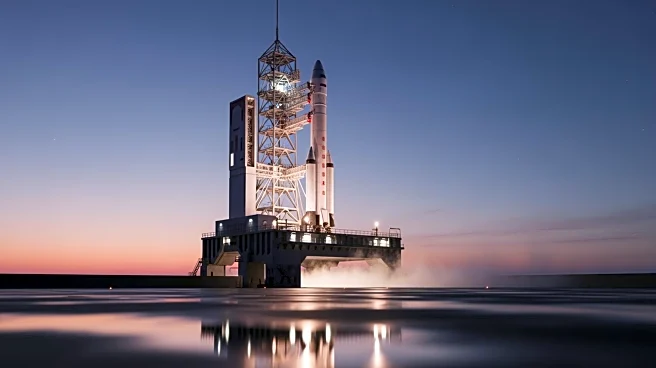
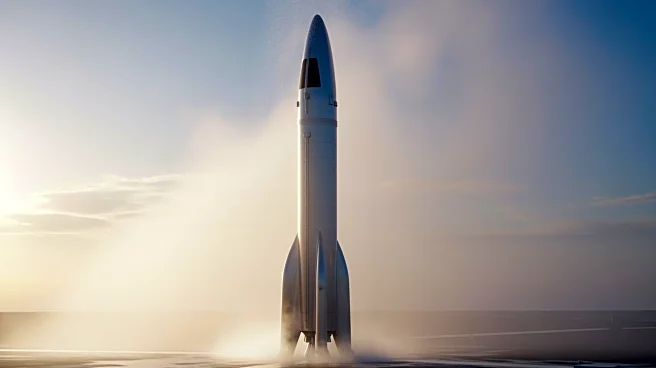
NASA is gearing up for the Artemis II mission, which will send humans around the Moon for the first time in over 50 years. This mission follows the successful uncrewed Artemis I mission, which tested the Space Launch System (SLS) rocket and the Orion
spacecraft. The Artemis I mission, launched in November 2022, provided critical data and experience that NASA is using to prepare for the upcoming crewed mission. Engineers and scientists at NASA have been refining procedures and addressing challenges encountered during Artemis I, such as the fueling process and temperature management of the rocket's engines. The Artemis II mission is a significant step in NASA's broader Artemis program, which aims to return humans to the Moon and eventually send astronauts to Mars.
Why It's Important?
The Artemis II mission is crucial for advancing human space exploration beyond low Earth orbit. By sending astronauts around the Moon, NASA is not only reviving human lunar exploration but also laying the groundwork for future missions that will land on the Moon's surface. This mission is part of a larger strategy to establish a sustainable human presence on the Moon, which will serve as a stepping stone for future Mars missions. The success of Artemis II will demonstrate the capabilities of the SLS rocket and Orion spacecraft in carrying humans safely to and from deep space, thus boosting confidence in NASA's ability to conduct long-duration space missions. This has significant implications for international collaboration, technological innovation, and inspiring a new generation of scientists and engineers.
What's Next?
Following the Artemis II mission, NASA plans to conduct Artemis III, which will aim to land astronauts on the Moon's surface. The lessons learned from Artemis I and II will be instrumental in ensuring the success of this mission. NASA is also working on developing the necessary infrastructure, such as the Lunar Gateway, to support long-term lunar exploration. The agency is collaborating with international and commercial partners to achieve these goals. As the Artemis program progresses, it is expected to drive advancements in space technology and foster international partnerships, ultimately contributing to the broader goal of human exploration of Mars.