







What's Happening?
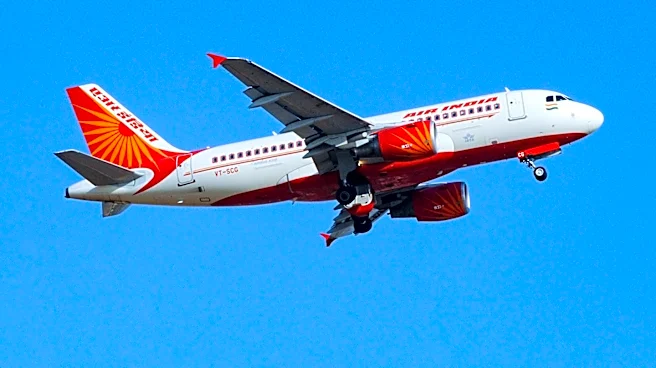
The captain of an Air India flight from Phuket to Delhi, which experienced severe turbulence, reportedly tested positive for psychoactive substances in a dope test conducted upon arrival. The Airbus A320, carrying 145 passengers, encountered turbulence near
Odisha, resulting in a sudden 300-foot drop. Thirteen passengers and four crew members were hospitalized. Air India has not confirmed the test results, stating that they have not been shared with the airline. The Directorate General of Civil Aviation (DGCA) is investigating the incident, focusing on the handling of the turbulence and the potential impact on the aircraft.
Why It's Important?
This incident raises significant concerns about aviation safety and the protocols in place to ensure pilots are fit to fly. The potential positive dope test of the pilot adds a critical dimension to the investigation, highlighting the importance of regular drug testing and compliance with aviation regulations. The safety of passengers and crew is paramount, and any lapse in protocol could have severe consequences. This situation underscores the need for stringent oversight and the enforcement of regulations to maintain high safety standards in the aviation industry.
What's Next?
The DGCA's investigation will continue to examine all aspects of the incident, including the pilot's actions and the aircraft's response to the turbulence. If the pilot's positive test is confirmed, it could lead to disciplinary actions, including suspension or revocation of the pilot's license. The findings of the investigation may prompt Air India and other airlines to review and possibly enhance their drug testing protocols to prevent similar incidents in the future. The aviation industry will be closely monitoring the outcome of this case to ensure passenger safety remains a top priority.