




What's Happening?
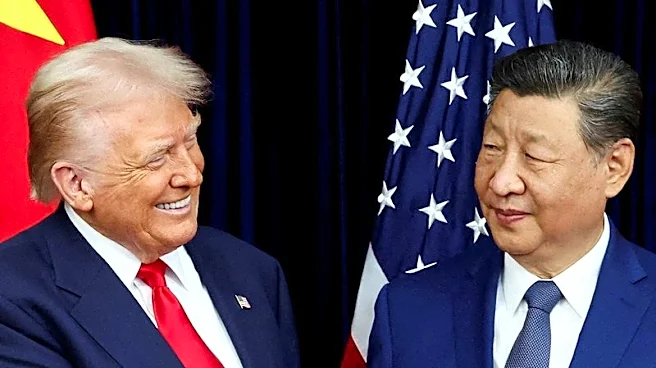
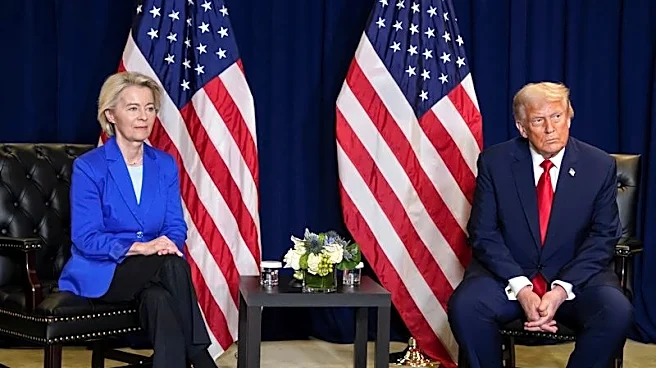
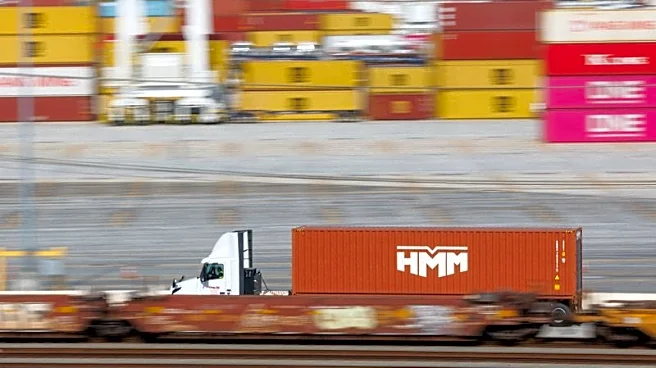
The European Union's car industry is under pressure as the U.S. threatens higher tariffs on EU cars. This development follows a trade deal between the EU and the U.S. that saw the EU accept higher tariffs on its exports while U.S. tariffs were reduced.
The EU had recently moved to tighten safety checks on U.S. pick-up trucks, prompting the car industry to seek intervention from President Trump. The U.S. ambassador to the EU has argued that applying European safety checks would breach the spirit of the trade deal.
Why It's Important?
The ongoing trade tensions between the EU and the U.S. highlight the challenges faced by the European car industry in navigating international trade agreements. The potential for higher tariffs on EU cars could impact the competitiveness of European automakers in the U.S. market. This situation underscores the complexities of balancing trade relations with regulatory standards, as the EU seeks to protect its automotive sector while adhering to safety and environmental regulations. The outcome of these tensions could influence future trade negotiations and regulatory policies.
What's Next?
The EU will need to decide how to respond to the U.S. threats of higher tariffs and whether to proceed with its proposed safety checks on U.S. vehicles. The car industry will likely continue to lobby for favorable trade terms, while EU lawmakers may need to reassess their approach to trade and regulatory standards. The situation could lead to further negotiations between the EU and the U.S., with potential implications for the broader trade relationship between the two regions.