




What's Happening?
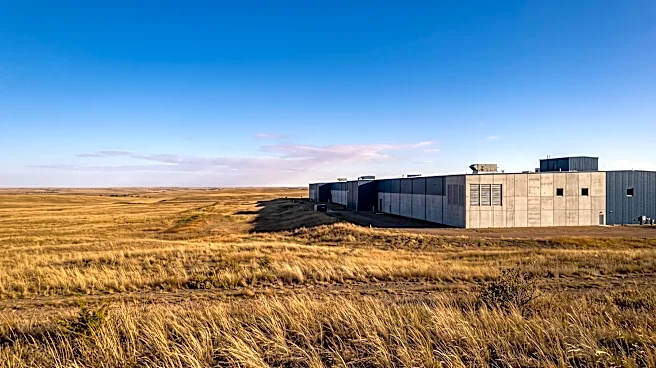
A coalition of local organizations in Sioux Falls, South Dakota, is calling for increased protections against large, hyperscale data centers. These groups convened in Sioux Falls to discuss the necessity of implementing what they term 'common sense guardrails'
for such projects. The organizations emphasize that their proposal for a moratorium is not intended as an outright rejection of data center developments. Instead, they view it as a temporary pause designed to allow the public sufficient time to evaluate various options, understand the potential benefits, and consider the drawbacks associated with these large-scale facilities. This initiative reflects a growing concern among community groups regarding the unchecked expansion of data center infrastructure and its potential impacts on the local environment and resources.
Why It's Important?
The push for 'common sense guardrails' on hyperscale data centers in Sioux Falls highlights a broader national discussion about the rapid growth of data infrastructure and its implications for local communities. Data centers, while crucial for the digital economy, are known for their significant consumption of resources, particularly electricity and water, and their potential environmental footprint. For Sioux Falls, the implementation of such protections could influence future economic development strategies, balancing technological advancement with community well-being and environmental sustainability. This movement could set a precedent for how other U.S. cities approach the regulation of large data center projects, potentially leading to more stringent local oversight and community involvement in development decisions. It underscores the tension between attracting high-tech industries and preserving local resources and quality of life.
What's Next?
The immediate next step for the coalition of organizations will likely involve continued advocacy and public outreach to build support for their proposed 'common sense guardrails' and a temporary moratorium on new data center projects. They will aim to engage with local government officials and planning commissions to formally introduce their concerns and proposals. This could lead to public hearings, community forums, and potentially the drafting of new local ordinances or amendments to existing zoning laws. The outcome will depend on the level of public support garnered and the responsiveness of local authorities. Businesses considering establishing data centers in Sioux Falls may face increased scrutiny and potentially new regulatory hurdles, requiring them to adapt their development plans to meet community expectations and environmental standards.
Beyond the Headlines
Beyond the immediate regulatory implications, this movement in Sioux Falls touches upon deeper ethical and societal questions regarding technological progress and community autonomy. The demand for 'common sense guardrails' reflects a desire for local control over development that has significant, long-term impacts. It raises questions about who benefits most from the proliferation of hyperscale data centers and who bears the costs, particularly concerning environmental strain and resource allocation. This local initiative could contribute to a broader national dialogue about the need for a more holistic approach to technology infrastructure planning, one that integrates environmental justice, community input, and sustainable development principles. It challenges the notion that technological expansion should proceed without robust local oversight and public deliberation.