





What's Happening?
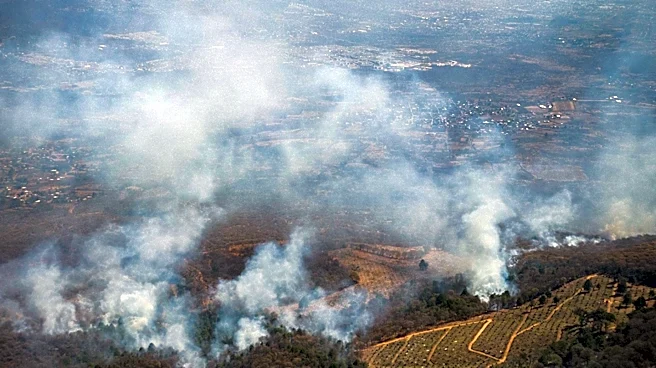
A heat wave is sweeping across the Western United States, bringing record-breaking temperatures and increasing the risk of wildfires. The National Weather Service has issued warnings for dangerous heat, with temperatures expected to reach 115 degrees
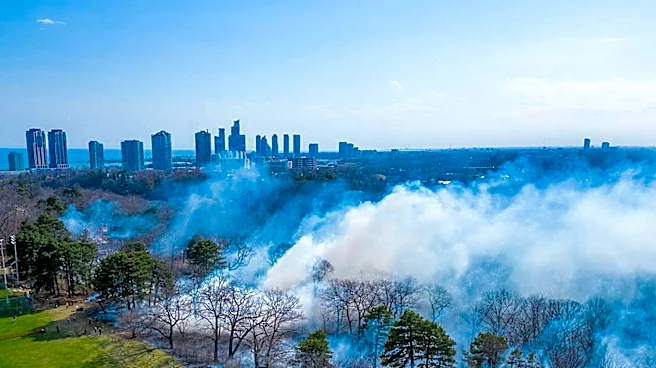
Fahrenheit in Las Vegas and 116 degrees in Phoenix. The heat wave is exacerbated by a high-pressure system, known as a heat dome, trapping heat close to the ground. This extreme weather is compounded by the effects of El Nino, which is contributing to higher global temperatures. The heat wave is expected to be short-lived, but it poses significant risks, particularly in areas already experiencing drought and wildfires.
Why It's Important?
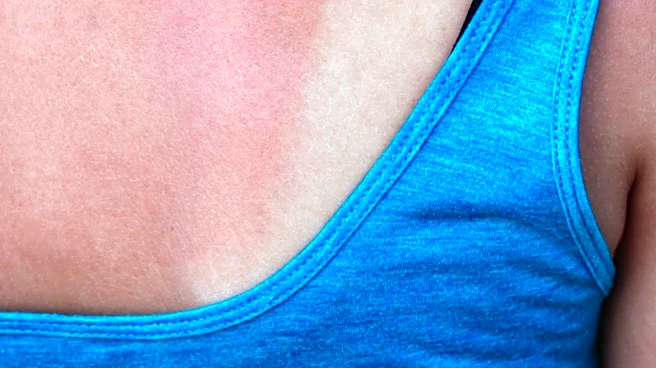
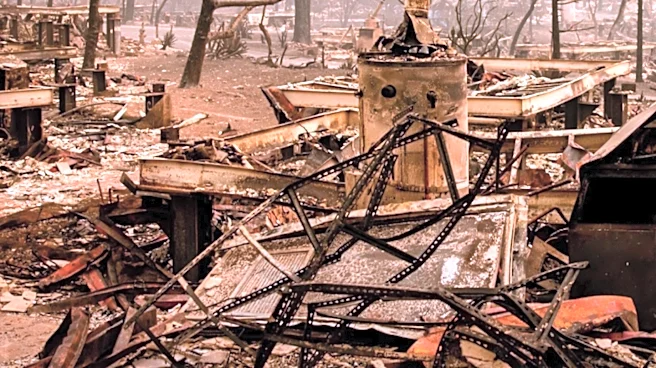
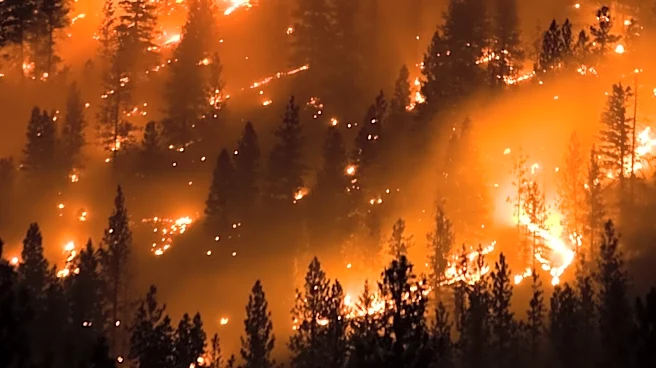
The extreme heat poses serious health risks, particularly for vulnerable populations such as the elderly and those without access to air conditioning. It also increases the likelihood of wildfires, which can cause widespread destruction and strain emergency services. The situation highlights the broader impacts of climate change, as rising global temperatures lead to more frequent and intense heat waves. This event underscores the need for effective climate adaptation strategies and emergency preparedness to mitigate the impacts of such extreme weather events.
What's Next?
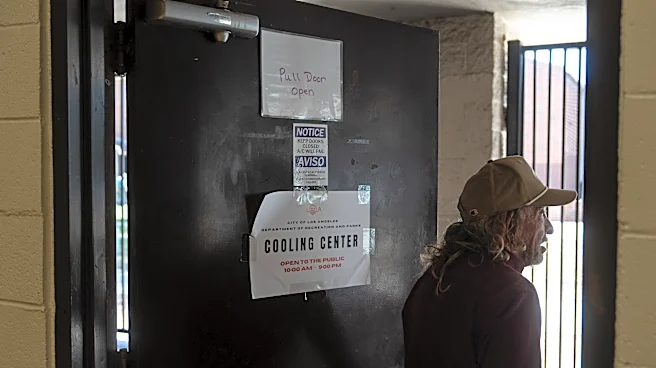
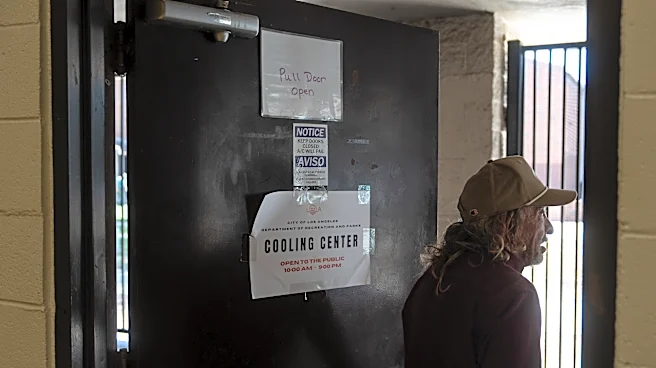
Authorities are urging residents to stay indoors, stay hydrated, and take precautions to protect themselves from the heat. Cooling centers are being set up in affected areas to provide relief for those in need. Firefighters and emergency services are on high alert to respond to any wildfire outbreaks. The heat wave is expected to subside in the coming days, but the risk of wildfires will remain high due to ongoing dry conditions. Continued monitoring and preparedness will be essential to manage the situation effectively.