





What's Happening?
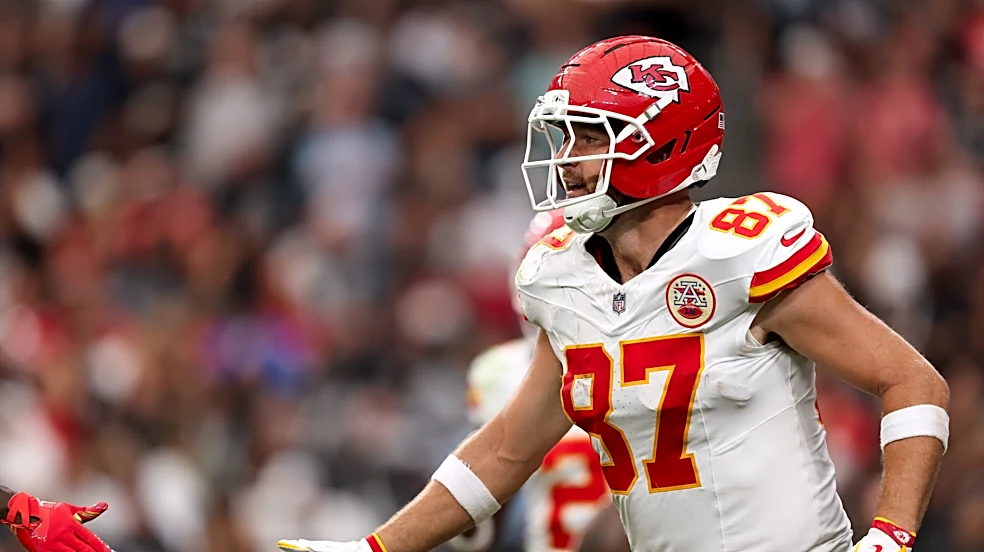
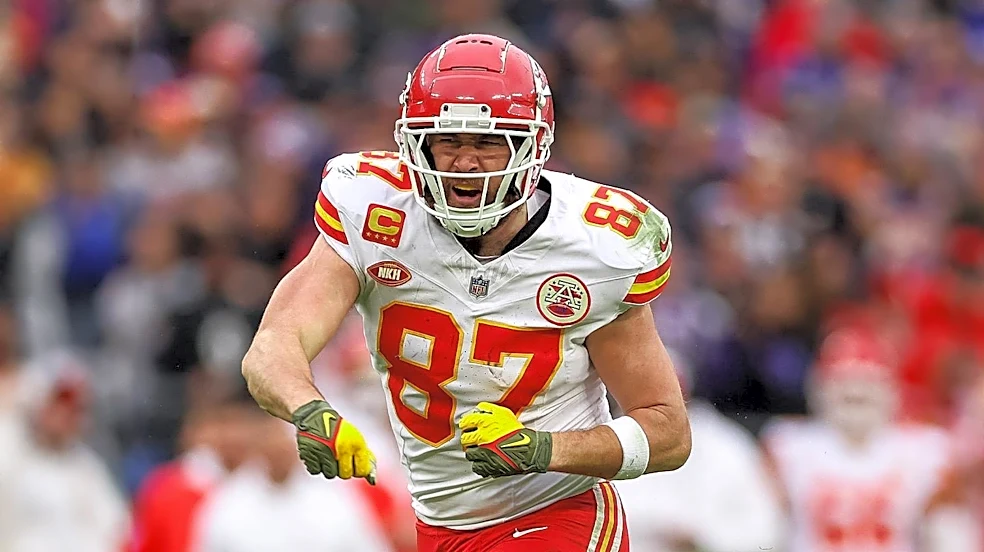
Donna Kelce, mother of NFL player Travis Kelce, publicly denied that resurfaced old tweets containing alleged sexist remarks belonged to her son. She posted on X, stating the posts were 'not Travis' handle and not his account!!' This denial, however,
has drawn significant online backlash, with many social media users accusing her of employing the 'Streisand effect,' thereby drawing more attention to the very tweets she sought to dismiss. Critics on Reddit noted that Travis Kelce himself has previously acknowledged an old account where he made humorous spelling errors, leading to questions about his mother's blanket denial. The renewed scrutiny on these past posts follows Travis Kelce allegedly liking an Instagram clip of Shane Gillis's opening monologue on SNL, which some users deemed sexist. This incident has reignited discussions about celebrities' past online behavior and their families' responses.
Why It's Important?
This incident highlights the enduring impact of past online activity on public figures, particularly in the age of heightened social media scrutiny. For athletes and celebrities like Travis Kelce, whose public image is meticulously managed and often tied to lucrative endorsements, resurfaced controversial content can pose significant reputational and financial risks. The 'Streisand effect' demonstrated here illustrates how attempts to suppress information can inadvertently amplify it, creating a larger public relations challenge. The involvement of a family member in the defense further complicates the narrative, drawing attention to the dynamics of celebrity families and their role in managing public perception. This event underscores the need for public figures and their teams to proactively address past online behavior rather than attempting to deny or ignore it, as such strategies can often backfire and intensify negative attention.
What's Next?
The immediate aftermath will likely involve continued online discussion and media coverage regarding Donna Kelce's denial and the resurfaced tweets. Travis Kelce's public relations team may need to issue a more comprehensive statement or strategy to address the controversy, potentially acknowledging the old posts while contextualizing them or expressing regret. The incident could influence public perception of Travis Kelce, potentially affecting his brand partnerships or fan base, especially given his high-profile relationship with Taylor Swift, which has brought him into mainstream pop culture. Future public appearances or social media activity by either Travis or Donna Kelce will likely be scrutinized for any further comments or reactions related to this issue. The broader implication is a continued conversation about accountability for past online actions and the challenges of maintaining a pristine public image in the digital age.
Beyond the Headlines
This situation delves into deeper societal implications concerning accountability, public memory, and the evolving nature of celebrity. The expectation that public figures, regardless of when their past actions occurred, should be held accountable reflects a cultural shift towards greater transparency and ethical conduct. The incident also touches upon the 'boy mum' phenomenon, where mothers are perceived as overly protective of their adult sons, potentially excusing problematic behavior. This raises questions about gender dynamics in public discourse and the role of family in shaping a celebrity's narrative. Furthermore, it underscores the permanence of digital footprints; content posted years ago, even in a different social context, can be resurrected and re-evaluated through contemporary lenses, leading to ongoing debates about forgiveness, growth, and the standards to which public figures are held.