






What's Happening?
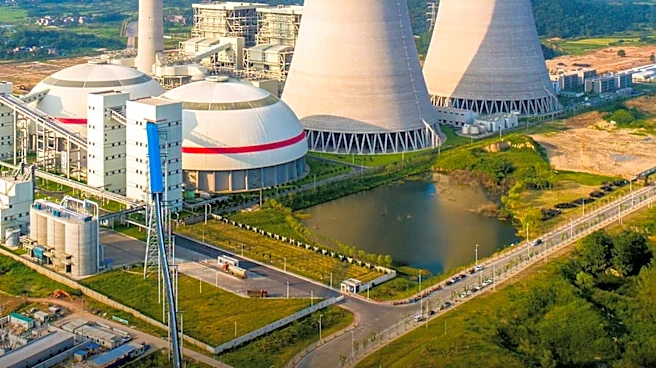
In Nigeria, locally produced fuel from the Dangote Petroleum Refinery is now cheaper than imported petrol. The cost of imported petrol has risen due to increasing crude oil prices and a weak naira, making it more expensive than fuel produced locally.
Industry groups are urging the government to ban fuel imports and rely on local refining capacity, arguing that Nigeria's current refining capacity is sufficient to meet domestic demand.
Why It's Important?
The shift towards locally produced fuel in Nigeria could have significant economic implications. Reducing reliance on imported fuel can help stabilize the country's foreign exchange reserves and enhance the competitiveness of domestic refineries. This move could also lead to lower fuel prices for consumers and reduce the economic burden on the government, which has been subsidizing fuel imports.
What's Next?
The Nigerian government may consider policy changes to support local refining and reduce fuel imports. This could involve incentives for local refineries and stricter regulations on fuel importation. The success of these measures will depend on the government's ability to balance economic interests with consumer needs and industry demands.
Beyond the Headlines
The situation in Nigeria reflects broader trends in global energy markets, where countries are increasingly looking to enhance energy independence. The focus on local production can drive innovation and investment in the energy sector, potentially leading to advancements in refining technology and infrastructure development.