
What's Happening?
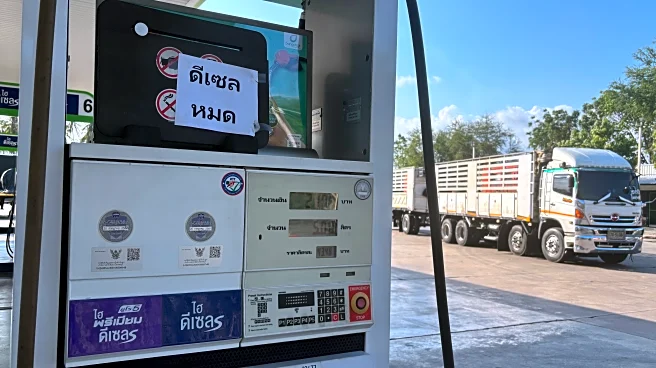
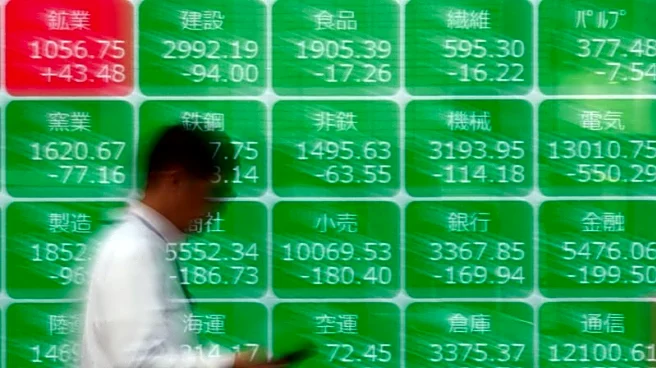
Factory activity in several Asian economies, including Indonesia, Vietnam, Taiwan, and Japan, slowed in March due to rising fuel costs and global uncertainty stemming from the Iran conflict. The conflict has disrupted oil flows through the Strait of Hormuz,
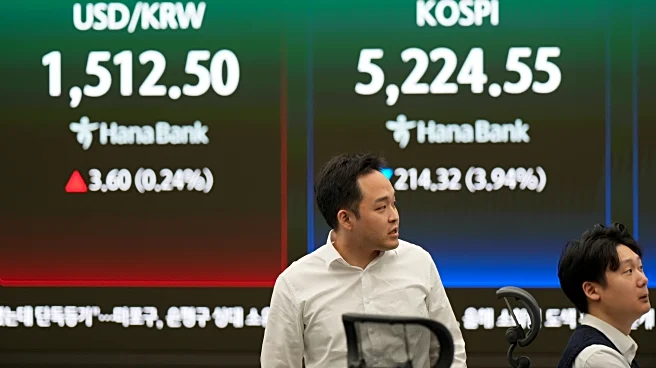
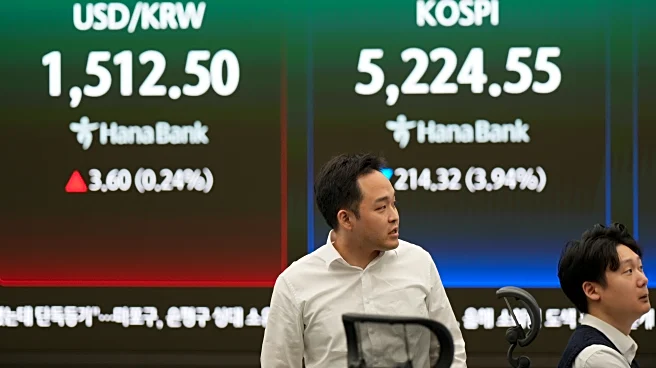
a critical chokepoint for global oil and gas supplies, leading to increased energy prices. Japan's manufacturing sector experienced a decline in activity, with input prices rising at the fastest rate since August 2024. In contrast, South Korea's factory activity expanded, driven by strong demand for semiconductors. The situation highlights the vulnerability of Asian economies to energy shocks and the broader impact of geopolitical tensions on global supply chains.
Why It's Important?
The slowdown in factory activity across Asia signals potential challenges for the global economy, as the region is a major hub for manufacturing and exports. Rising energy costs and supply chain disruptions could lead to increased production costs and inflationary pressures worldwide. The situation also underscores the interconnectedness of global markets, where regional conflicts can have far-reaching economic consequences. Policymakers in affected countries may need to implement measures to mitigate the impact of rising costs and ensure economic stability.
What's Next?
Asian countries may seek to diversify their energy sources and enhance supply chain resilience to reduce vulnerability to external shocks. Governments could also consider fiscal and monetary policies to support affected industries and manage inflation. The ongoing conflict in the Middle East may prompt international diplomatic efforts to stabilize the region and ensure the free flow of energy resources. Additionally, businesses may need to adapt to changing market conditions by exploring alternative supply chains and cost-saving measures.