
What's Happening?
The Detroit Auto Show, which began in 1907, has transformed from a local exhibition into a major international automotive event. Initially inspired by the Paris Auto Show, it started at a beer garden near
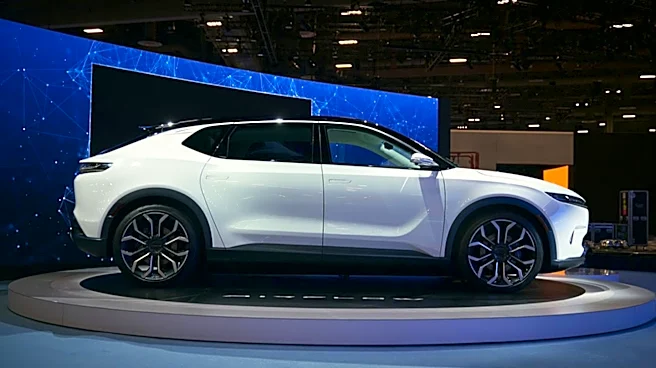
the Belle Isle Bridge and has since moved to various locations, finally settling at Cobo Hall in 1965. Over the years, the show has adapted to changes in the automotive industry and consumer behavior, particularly with the rise of online shopping. This shift has led the show to focus more on creating memorable experiences rather than just selling cars. The event now features concept vehicles, interactive exhibits, and vehicle demonstrations, appealing to both enthusiasts and families. In 1989, it was renamed the North American International Auto Show to reflect its growing international significance, attracting global automakers and media.
Why It's Important?
The evolution of the Detroit Auto Show highlights the adaptability required to remain relevant in a rapidly changing industry. By shifting its focus from a traditional car sales platform to an experiential event, the show has maintained its status as a key player in the global automotive scene. This transformation not only reinforces Detroit's reputation as the Motor City but also supports the local economy by attracting international visitors and media. The show's ability to draw global attention underscores the importance of innovation and adaptation in maintaining cultural and economic significance. It serves as a model for other industries facing similar challenges in the digital age.
What's Next?
The Detroit Auto Show is expected to continue evolving, with future iterations likely to incorporate more advanced automotive technologies and sustainable practices. As the industry moves towards electric and autonomous vehicles, the show may feature more of these innovations, aligning with global trends. Stakeholders, including automakers and local businesses, will need to collaborate to ensure the event remains a leading platform for showcasing automotive advancements. The ongoing adaptation will be crucial in maintaining its appeal to both industry professionals and the general public.
Beyond the Headlines
The Detroit Auto Show's transformation reflects broader cultural shifts in how consumers engage with products and experiences. As digital platforms change purchasing behaviors, events like the auto show must offer unique, in-person experiences that cannot be replicated online. This shift also highlights the growing importance of experiential marketing in building brand loyalty and consumer engagement. Additionally, the show's focus on innovation and technology may influence other sectors to adopt similar strategies to stay competitive in a digital-first world.