




What's Happening?
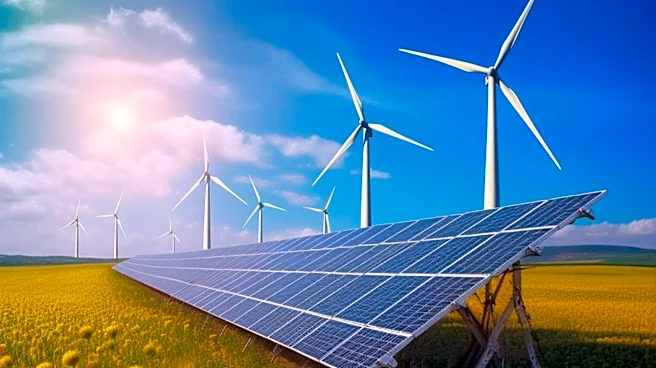
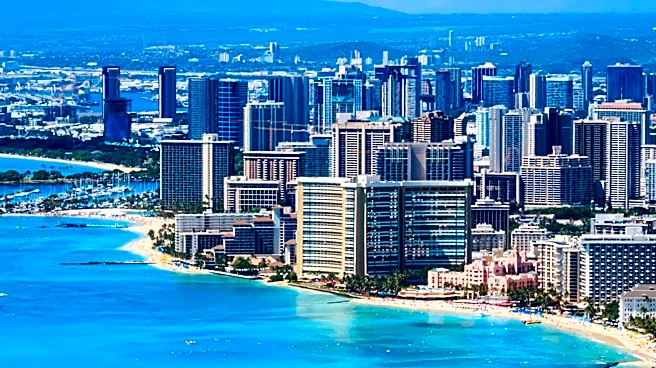
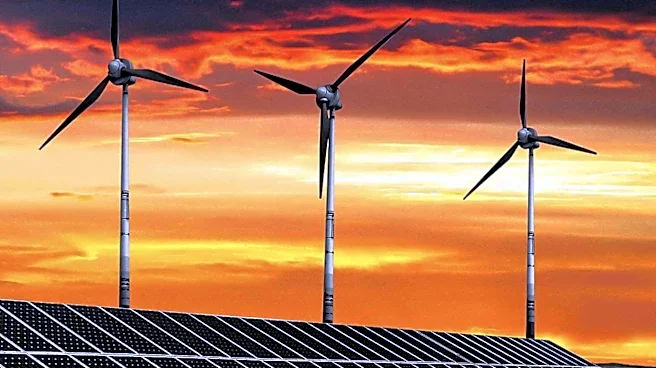
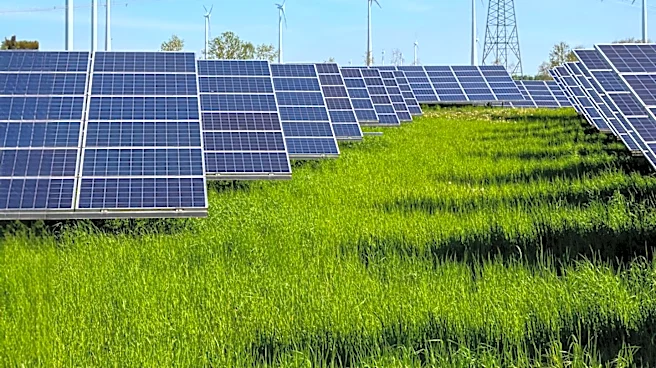
Hawaiian Electric Company (HECO) has announced plans to introduce approximately 1,650 gigawatt-hours of new solar and wind power, aiming to reduce the state's reliance on oil. Currently, about 70% of Oʻahu's electricity is generated from petroleum. In
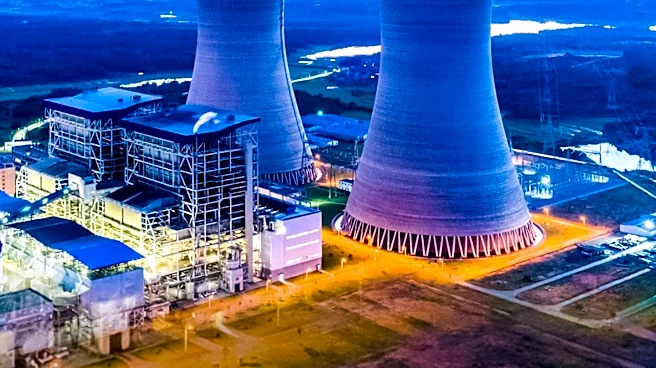
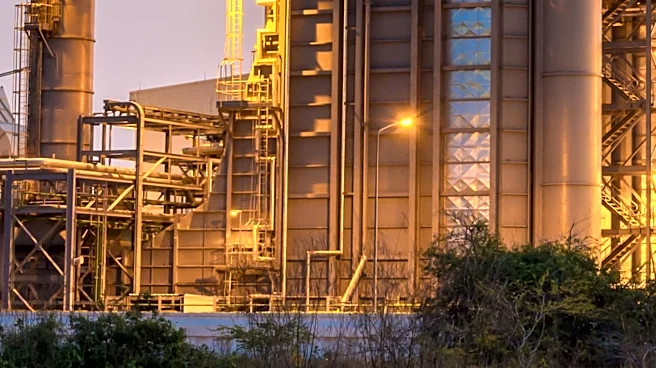
addition to renewable energy, HECO is exploring the use of liquefied natural gas (LNG) as a transitional energy source. The utility has requested approval from the Public Utilities Commission for new fuel-based power projects, including a proposal from Japanese company JERA to build a 500 megawatt gas-fired plant on Oʻahu.
Why It's Important?
HECO's initiative represents a significant step towards Hawaii's goal of achieving 100% renewable energy by 2045. The introduction of new solar and wind power will help decrease the state's carbon footprint and reduce its dependence on imported oil. However, the consideration of natural gas as a transitional energy source has sparked debate, as it may conflict with long-term renewable energy goals. The outcome of this initiative could influence energy policy and infrastructure development in other states pursuing similar renewable energy targets.
What's Next?
HECO will need to secure approval from the Public Utilities Commission for its proposed projects. The decision will likely involve public hearings and input from various stakeholders, including environmental groups and local communities. The outcome will determine the future energy landscape of Hawaii and could set a precedent for other regions considering similar energy transitions. The utility's approach to balancing renewable energy development with transitional fossil fuel use will be closely watched.
Beyond the Headlines
The move towards renewable energy in Hawaii is part of a broader global trend towards sustainable energy solutions. However, the inclusion of natural gas in the transition plan highlights the complexities and challenges of shifting away from fossil fuels. The debate over natural gas underscores the need for careful planning and consideration of environmental, economic, and social factors in energy policy decisions. Hawaii's experience may offer valuable insights for other regions navigating similar transitions.