



What's Happening?
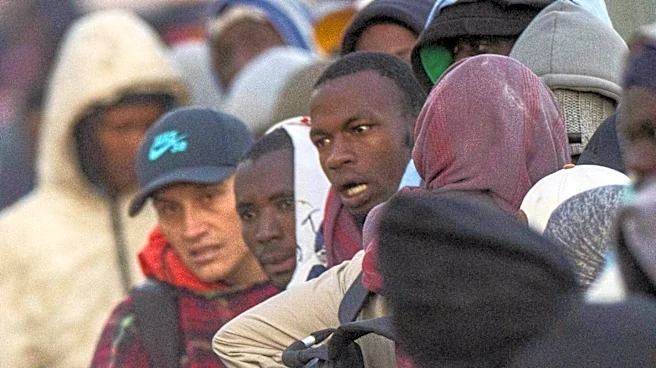
Minnesota has experienced a significant decline in refugee arrivals, with only 111 refugees, all white Afrikaners from South Africa, arriving this fiscal year. This marks a stark contrast to the state's historical average of 2,000 to 3,000 refugees annually
over the past 45 years. The Minnesota Department of Human Services data reflects a broader trend of reduced refugee resettlement, which began during President Trump's first term. The Minnesota Council of Churches opted not to participate in the federal program resettling Afrikaners, citing moral reasons, despite the financial impact of losing federal funding. This decision highlights the ethical considerations faced by organizations involved in refugee resettlement.
Why It's Important?
The decline in refugee arrivals has significant implications for Minnesota's demographic and economic landscape. Refugees have historically contributed to population growth and economic vitality in the state. The reduction in arrivals could affect local economies, particularly in areas that rely on immigrant labor. Additionally, the decision by the Minnesota Council of Churches to forgo federal funding underscores the ethical dilemmas faced by organizations balancing financial viability with moral considerations. This situation may influence future policy discussions on refugee resettlement and the role of non-governmental organizations in supporting immigrant communities.
What's Next?
As the situation evolves, Minnesota may need to reassess its approach to refugee resettlement and consider alternative strategies to support immigrant communities. The state could explore partnerships with other organizations willing to participate in resettlement programs. Additionally, the broader national context of immigration policy may impact future refugee arrivals, depending on changes in federal administration and policy priorities. Stakeholders, including policymakers and community leaders, will likely engage in discussions to address the challenges and opportunities presented by shifting immigration patterns.