





What's Happening?
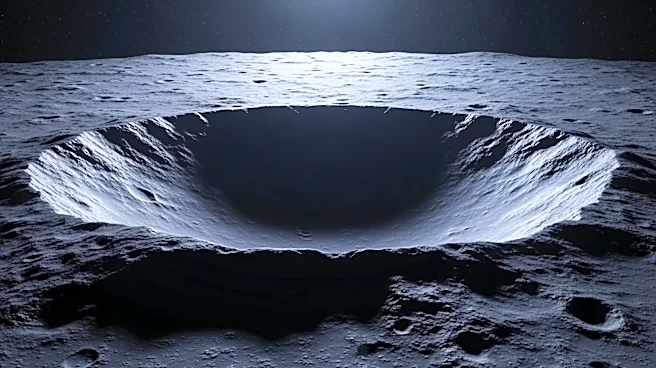
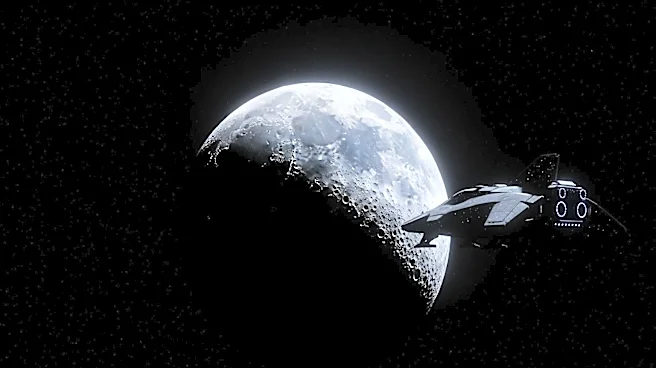
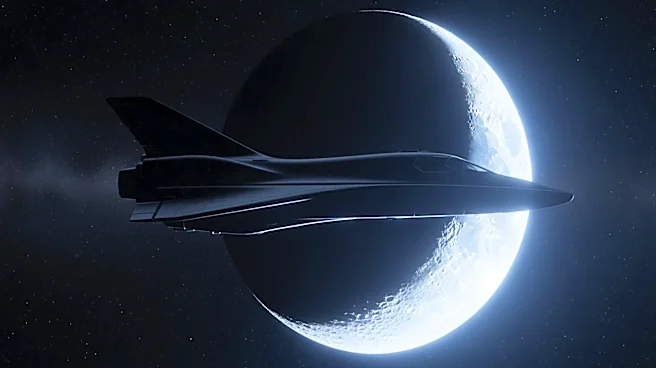
NASA has released new images from the Artemis II mission, showcasing a historic lunar flyby around the far side of the moon. This mission marks a significant milestone as it provides unprecedented views and data from areas of the moon that have been less
explored. Former NASA astronaut and physicist James Newman discussed the mission's significance on 'The Daily Report,' highlighting the potential for these images to enhance our understanding of lunar geography and history. The Artemis II mission is part of NASA's broader efforts to return humans to the moon and eventually establish a sustainable presence there.
Why It's Important?
The release of these new lunar images is crucial for several reasons. Firstly, it advances scientific knowledge by providing detailed visuals of the moon's far side, which is less familiar to researchers. This can lead to new discoveries about the moon's composition and geological history. Additionally, the Artemis II mission is a stepping stone in NASA's Artemis program, which aims to return humans to the moon and lay the groundwork for future exploration of Mars. The success of this mission could bolster international collaboration in space exploration and inspire technological innovations.
What's Next?
Following the release of these images, NASA will likely continue analyzing the data to gain deeper insights into the moon's surface and environment. The Artemis program will proceed with its next phases, including the Artemis III mission, which aims to land astronauts on the lunar surface. This ongoing exploration could lead to new partnerships with international space agencies and private companies, furthering the goal of sustainable lunar exploration and eventual human missions to Mars.