
What's Happening?
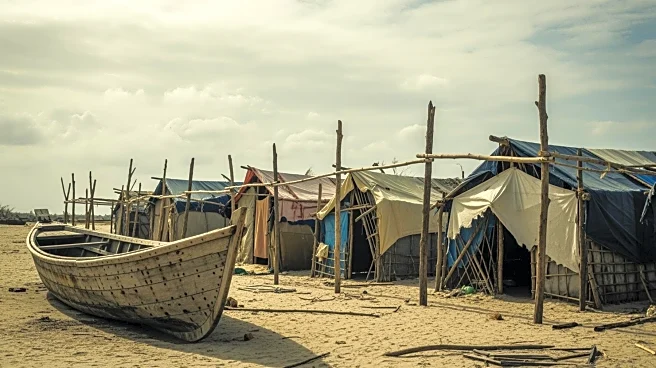
Nearly two months after Hurricane Melissa, a Category 5 storm, devastated the northern Caribbean, thousands of residents are still struggling with hunger and inadequate shelter. The storm, one of the strongest
in recorded history, caused significant destruction in Haiti, Jamaica, and Cuba. In Haiti, the storm killed at least 43 people and left many without homes or food. Jamaica reported extensive damage and loss of life, with ongoing recovery efforts hampered by health issues such as leptospirosis. In Cuba, thousands remain in shelters, unable to return home. The United Nations and other international organizations are working to provide aid, but funding remains a challenge.
Why It's Important?
The aftermath of Hurricane Melissa highlights the vulnerability of Caribbean nations to extreme weather events, exacerbated by climate change. The ongoing humanitarian crisis underscores the need for robust disaster preparedness and response strategies. The economic impact is severe, with significant losses in agriculture and infrastructure, affecting livelihoods and food security. The situation calls for increased international support and funding to aid recovery efforts and build resilience against future storms.
What's Next?
Recovery efforts are ongoing, with international agencies providing aid and support. Jamaica has secured loans for reconstruction and aims to restore electricity by January. The UN's World Food Program is working to address food insecurity, but additional funding is needed. Long-term recovery will require rebuilding infrastructure, restoring livelihoods, and improving disaster preparedness. The international community's response will be crucial in supporting these efforts and preventing similar crises in the future.