



What's Happening?
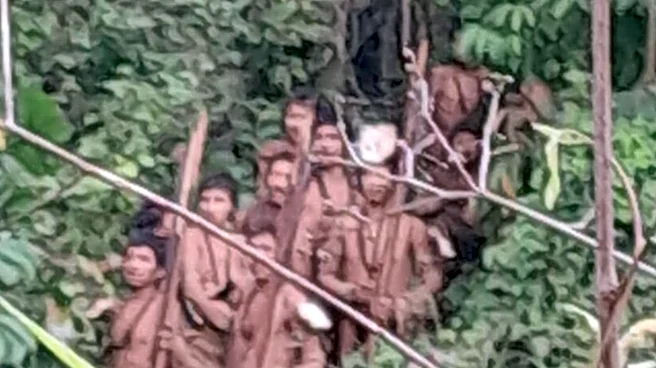
Brazilian President Luiz Inácio Lula da Silva has officially recognized the ancestral land of the Mebengokre (Kayapo) and Yudja peoples as Indigenous territory, a significant step towards its formal demarcation. This declaration by Brazil's Justice Ministry
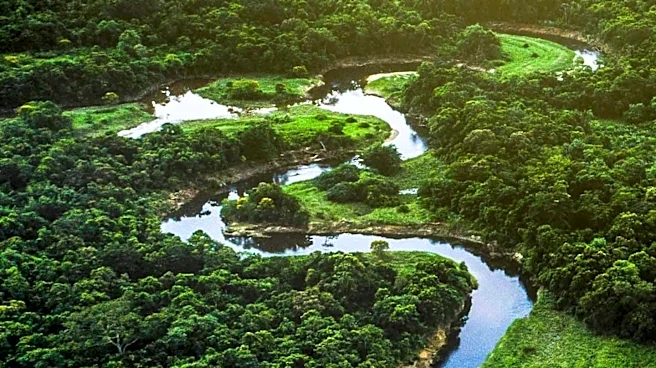
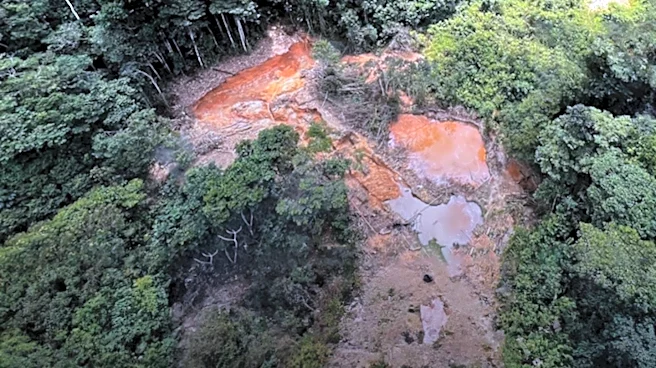
designates the Kapot Nhinore Indigenous Territory as permanently possessed by these communities. The announcement coincided with President Lula's visit to the ailing 94-year-old Indigenous leader Raoni Metuktire in Peixoto de Azevedo, Mato Grosso state. Chief Raoni, a lifelong advocate for the Amazon rainforest, is receiving palliative care for gastrointestinal cancer and recently recovered from a lung infection. Lula expressed his deep distress over Raoni's health and his desire to resolve the land issue during the chief's lifetime. The Kapot Nhinore territory spans approximately 362,000 hectares, with 84% remaining forested, though a 2023 Greenpeace report indicated that over 47,000 hectares within it were used for pasture or soy farming. This move is part of Lula's broader commitment to resuming Indigenous land demarcations, with 20 territories fully demarcated since his return to office in 2023.
Why It's Important?
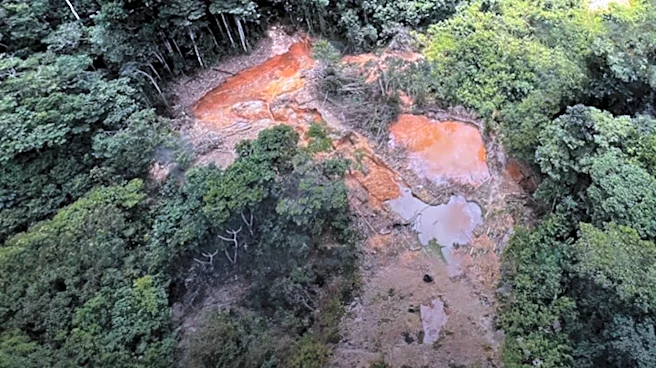
The recognition of the Kapot Nhinore Indigenous Territory is a crucial development for environmental conservation and Indigenous rights in Brazil. Demarcated Indigenous lands are widely considered one of the most effective barriers against deforestation in the Amazon rainforest. As the Amazon approaches a critical tipping point where it could transform into a drier, savannah-like ecosystem, protecting these territories becomes paramount for global climate stability and biodiversity. For the Mebengokre and Yudja peoples, this recognition affirms their ancestral rights and provides a legal framework to protect their traditional way of life and the natural resources they depend on. The move also signals President Lula's commitment to reversing policies that previously undermined Indigenous land rights and environmental protections. However, the process is not without challenges, as rural producers have campaigned against the demarcation, citing potential economic consequences for non-Indigenous residents and farmers within the area. The ongoing pressure from agribusiness, illegal gold mining, and logging continues to threaten these territories, highlighting the persistent struggle for land rights and environmental preservation in the Amazon.
What's Next?
While the Justice Ministry has declared the Kapot Nhinore Indigenous Territory in permanent possession of the Mebengokre and Yudja peoples, the next crucial step is the formal demarcation of the land by presidential decree. This process involves resolving legal hurdles, as President Lula noted there are over 200 properties currently on this land. The government will need to address the concerns of rural producers who oppose the demarcation, potentially through compensation or resettlement programs, to mitigate economic impacts on non-Indigenous communities. The ongoing pressure from agribusiness, illegal gold mining, and logging will require continued vigilance and enforcement by government agencies to prevent encroachment and environmental degradation within the newly recognized territory. The success of this demarcation will serve as a precedent for other Indigenous land claims in Brazil, potentially accelerating or hindering future demarcation processes. The international community, particularly environmental organizations and human rights groups, will closely monitor the implementation and protection of the Kapot Nhinore territory as a benchmark for Brazil's commitment to Indigenous rights and Amazon preservation.