



What's Happening?
China's Foreign Minister Wang Yi has expressed Beijing's willingness to cooperate with Russia to ease tensions in the Middle East. This cooperation is set to take place at the United Nations Security Council, where both nations aim to de-escalate the situation
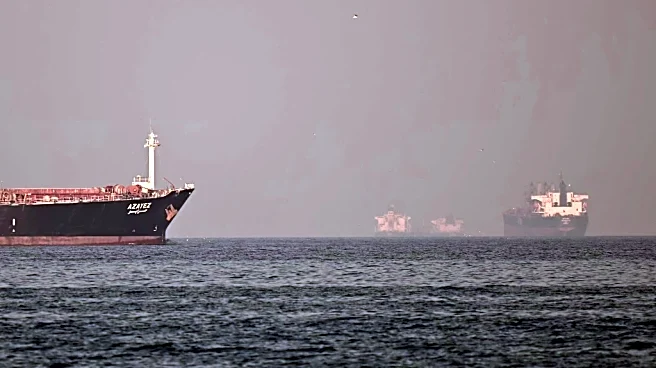
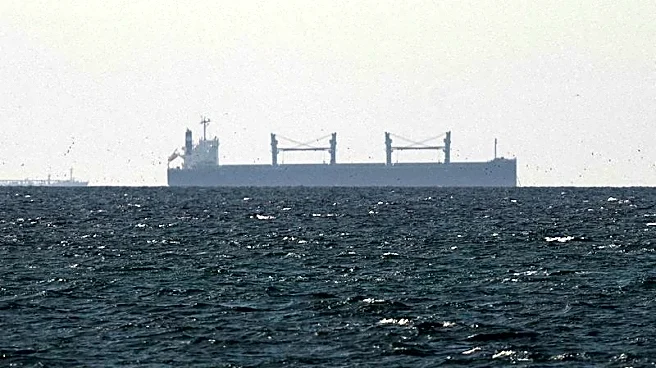
through diplomatic means rather than forceful measures. The focus is on achieving a ceasefire and resolving navigation issues in the Strait of Hormuz through political negotiation. This initiative is part of China's broader diplomatic efforts to promote peaceful resolutions in conflict zones.
Why It's Important?
The collaboration between China and Russia at the UN highlights a significant diplomatic effort to stabilize a volatile region. The Middle East is a critical area for global energy supplies, and disruptions in the Strait of Hormuz could have severe implications for international oil markets. By advocating for a ceasefire and political dialogue, China and Russia are positioning themselves as key players in maintaining regional stability. This move could also influence global perceptions of their roles in international diplomacy, potentially affecting their relationships with other major powers.
What's Next?
The upcoming UN Security Council vote on a resolution to protect commercial shipping in the Strait of Hormuz will be a critical test of the effectiveness of China and Russia's diplomatic efforts. The outcome could determine the next steps in their strategy to de-escalate tensions. Additionally, the international community will be watching closely to see if these efforts lead to tangible results in reducing conflict in the region.