


What's Happening?
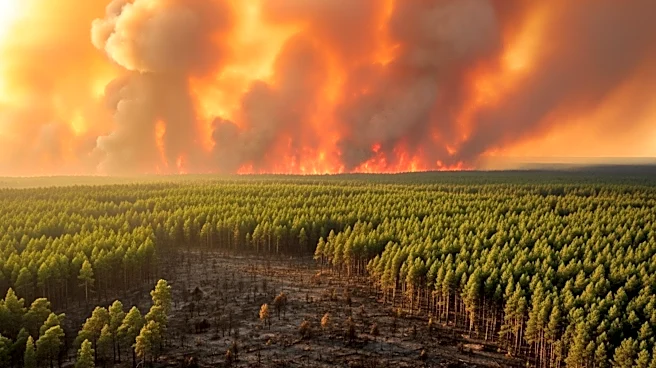
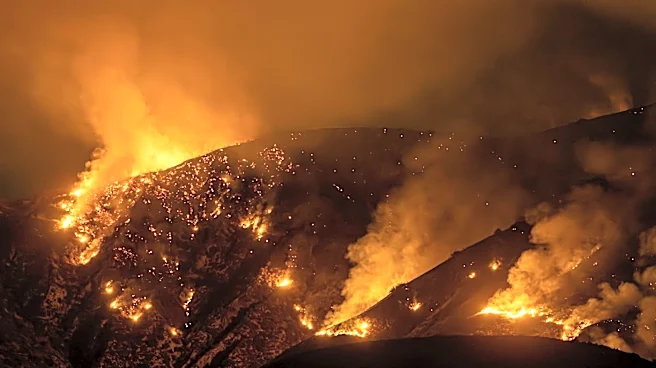
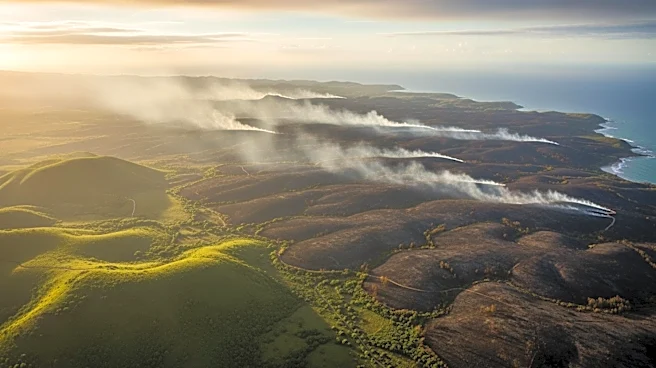
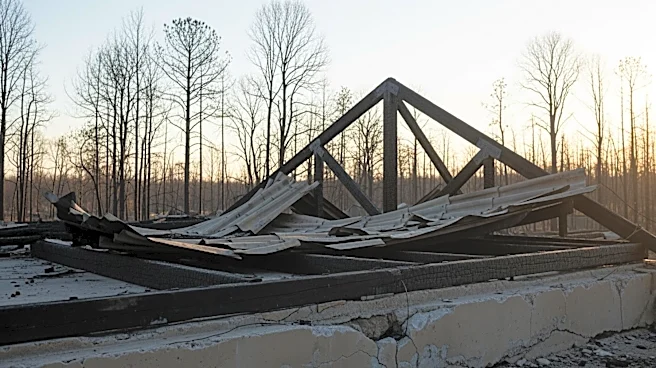
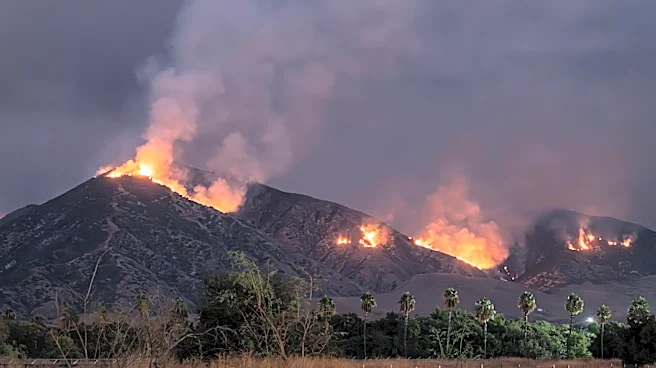
A wildfire on Santa Rosa Island, part of the Channel Islands National Park, has burned more than 10,000 acres and destroyed two historic buildings. The National Park Service has classified the fire as a 'full-suppression human-caused wildfire,' indicating
that human activity is believed to be the cause. Efforts are underway to contain the blaze, which poses a threat to the island's unique ecosystems and historical sites. The fire's rapid spread has raised concerns about the vulnerability of protected natural areas to human-induced fires.
Why It's Important?
The fire on Santa Rosa Island highlights the ongoing challenges of managing wildfires in protected natural areas, particularly those caused by human activity. The destruction of historic buildings and large swathes of vegetation underscores the potential for significant ecological and cultural loss. This incident may prompt a reevaluation of fire prevention and management strategies in national parks, emphasizing the need for increased awareness and regulation to prevent human-caused fires. The event also raises questions about the balance between public access to natural areas and the preservation of their ecological integrity.
What's Next?
Efforts to contain the fire will continue, with the National Park Service likely to conduct investigations into the cause and implement measures to prevent future incidents. The restoration of affected areas and the rebuilding of destroyed structures will be a priority, requiring collaboration between government agencies, conservation groups, and local communities. The incident may lead to increased funding and resources for fire management in national parks, as well as public education campaigns to reduce human impact on these vulnerable environments.