


What's Happening?
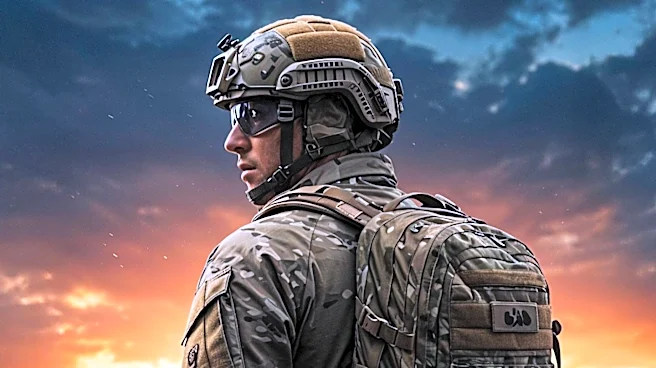
Following the unprecedented attack on October 7, 2023, Israeli reservists were rapidly called to active duty. One reservist, identified as L., who was balancing academic studies with military service, was among those quickly mobilized. By 7 a.m. on the day
of the attack, L.'s brigade commanders convened an emergency call, and within 20 minutes, she was involved in mobilizing reserve battalions, distributing weapons and equipment, and preparing soldiers for deployment into southern Israel. The initial response was characterized by chaos, fragmented communication, and incomplete information, making it difficult for units to comprehend the scale of the attack. Despite the disarray, units gradually organized and began to respond to the rapidly changing circumstances. L., who had spent years serving near Gaza and was familiar with the security measures in place, initially struggled to believe the unfolding events, thinking they were 'fake.' However, her commitment to service, honed over nearly a decade in uniform, led her to immediately focus on the mission.
Why It's Important?
The rapid mobilization of Israeli reservists underscores the immediate and profound impact of the October 7th attack on the nation's defense posture and its citizens. The account highlights the personal sacrifices made by individuals like L., who put their civilian lives and academic pursuits on hold to respond to a national emergency. This event demonstrates the critical role of a robust reserve system in national security, allowing for a swift and large-scale military response. The initial chaos and communication challenges experienced by the units reveal the inherent difficulties in responding to an unexpected, large-scale assault, even for a highly prepared military. The personal losses experienced by reservists, including friends and comrades killed or taken hostage, illustrate the deep human cost of such conflicts and the psychological burden placed on those serving. This collective experience of immediate mobilization and personal sacrifice shapes national resilience and public sentiment, influencing long-term societal and political dynamics within Israel.
What's Next?
In the aftermath of the initial mobilization, reservists like L. face the ongoing challenge of balancing their military duties with their civilian lives. The source indicates that months later, L. returned to her studies, facing the academic demands while still navigating the impact of her service. Educational institutions, such as the Technion, are providing support through resilience centers, academic accommodations, counseling, and personalized assistance to help reservists continue their education. This support system is crucial for the reintegration of reservists into civilian life and for maintaining the country's human capital. The shared experiences among reservists, fostering communities of support, will likely continue to be vital for their well-being. The long-term implications for Israel include ongoing adjustments to security protocols, potential shifts in military training and readiness, and continued national discussions on defense strategies and the role of reservists in future conflicts. The personal and collective trauma experienced by those mobilized will also require sustained attention and support.
Beyond the Headlines
The experience of Israeli reservists like L. reveals deeper societal implications beyond immediate military response. The narrative highlights the profound psychological impact of witnessing and responding to such a devastating attack, drawing parallels to historical conflicts like the Yom Kippur War. This suggests a collective memory and national identity deeply intertwined with military service and conflict. The balancing act between military duty and academic or professional life underscores the unique societal contract in Israel, where military service is a fundamental aspect of citizenship for many. The support systems provided by institutions like the Technion reflect a broader societal recognition of the sacrifices made by reservists and an effort to mitigate the disruption to their lives. This commitment to supporting reservists' reintegration is crucial for maintaining morale and ensuring the long-term viability of the reserve system. The personal stories of loss and resilience contribute to the national narrative, shaping public discourse and potentially influencing future policy decisions related to defense, education, and veteran support.