







What's Happening?
In a significant environmental restoration effort, scientists are planting 30 million oysters in the Chesapeake Bay. This initiative, led by the Chesapeake Bay Foundation and the Severn River Association, aims to restore water quality and marine life
in one of the United States' most vital estuaries. The project involves placing juvenile oysters, known as spat, onto sanctuary reefs where they can mature and reproduce. As natural filter feeders, oysters play a crucial role in removing algae, sediment, and excess nutrients from the water, thereby improving conditions for other marine life. The project, which has already planted 19 million oysters, is expected to reach its goal by the end of 2026.
Why It's Important?
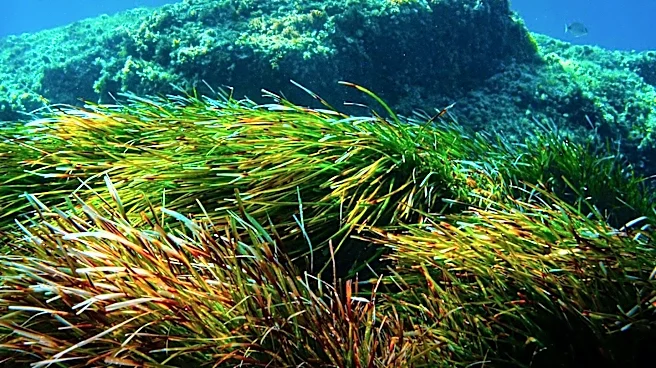
The restoration of oyster populations in the Chesapeake Bay is critical for improving the bay's ecological health. Oysters help filter and clean the water, which supports the growth of underwater grasses and provides habitats for various marine species. This initiative not only aims to enhance biodiversity but also to protect coastal communities from erosion and storm surges by stabilizing shorelines. The success of this project could serve as a model for similar conservation efforts in other regions, highlighting the importance of nature-based solutions in combating environmental challenges.
What's Next?
The project partners plan to continue monitoring the oyster reefs to assess their growth and impact on water quality. This data will inform future restoration strategies and help refine methods for rebuilding oyster populations. Additionally, the initiative is part of a broader effort to restore oyster habitats across the Chesapeake Bay watershed, with goals to expand restoration efforts to more tributaries by 2040. The continued success of these projects could lead to a more resilient and sustainable ecosystem in the Chesapeake Bay.