






What's Happening?
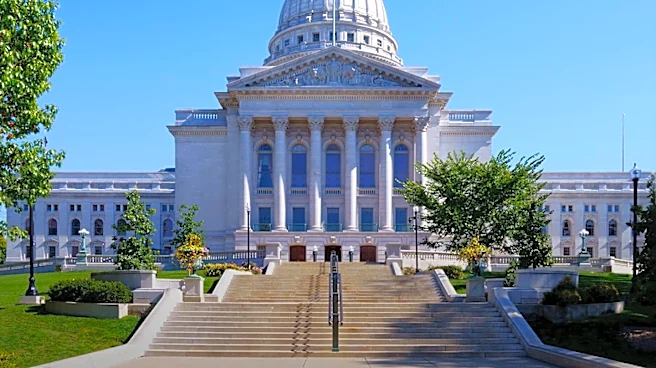
Civil rights lawyer Bryan Stevenson, founder of the Equal Justice Initiative, recently argued before the Wisconsin Supreme Court regarding the case of a then-10-year-old boy charged with killing his mother. The boy was automatically charged as an adult
under Wisconsin law, which mandates adult court for anyone 10 years or older charged with intentional homicide. Stevenson is representing the juvenile, advocating for his case to be moved to the juvenile system. The legal team's argument centers on the unconstitutionality of the current law, which prevents the consideration of a defendant's age when determining if a case should be 'reverse waived' from adult to juvenile court. The state, represented by Lisa Kumfer of the Wisconsin Department of Justice, acknowledges the uniqueness of the case but argues that the appeals court overstepped by ruling the statute unconstitutional, suggesting that any change should come from the Legislature. This case highlights a broader debate about how the justice system handles juvenile offenders, particularly in severe cases.
Why It's Important?
This case is significant for its potential impact on juvenile justice in Wisconsin and possibly across the U.S. If the Wisconsin Supreme Court rules in favor of considering age in 'reverse waiver' decisions, it could set a precedent that influences how other states handle similar cases involving young defendants. The outcome could lead to a re-evaluation of laws that automatically charge juveniles as adults, potentially shifting the focus towards rehabilitation rather than punishment for young offenders. This legal challenge underscores the evolving understanding of juvenile brain development and culpability, which many argue should be a central factor in legal proceedings. A decision to allow age consideration could provide more pathways for children to be tried in juvenile court, where the emphasis is typically on rehabilitation and shorter sentences, rather than the adult system's more punitive approach. This could lead to more equitable and developmentally appropriate outcomes for young individuals in the justice system.
What's Next?
The Wisconsin Supreme Court is expected to issue a decision on whether the state's current rules for 'reverse waiver' are unjustly difficult for child defendants and if there should be more avenues for a child to meet the criteria to appeal. The court's ruling will determine if the case of the then-10-year-old boy will be sent to juvenile court or returned to appeals with guidance on considering age. Regardless of the specific outcome for this case, the decision will likely prompt further discussion and potential legislative action regarding juvenile justice laws in Wisconsin. Legal experts and civil rights advocates will closely monitor the ruling, as it could influence future legal challenges and policy reforms aimed at ensuring that the justice system adequately addresses the unique circumstances of child offenders. The debate between judicial interpretation and legislative responsibility for legal reform will also be a key aspect to watch.
Beyond the Headlines
The case delves into profound ethical and legal questions about the nature of culpability in children and the appropriate role of the justice system. It challenges the long-standing legal principle of treating certain juvenile offenders as adults, forcing a re-examination of whether current laws align with modern understanding of child psychology and development. The outcome could trigger a broader societal conversation about the balance between accountability for serious crimes and the potential for rehabilitation in young individuals. Furthermore, it highlights the systemic issues within the criminal justice system, particularly concerning racial justice, a core focus of Bryan Stevenson's work. The case could also shed light on the disparities in how different states approach juvenile justice, potentially inspiring a national dialogue on best practices for handling child defendants and ensuring their rights are protected while addressing public safety concerns.