




What's Happening?
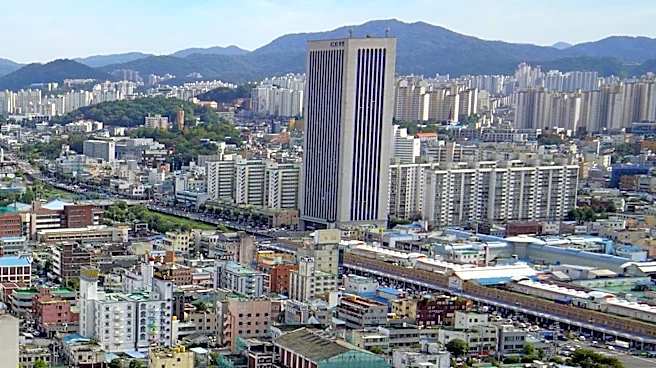
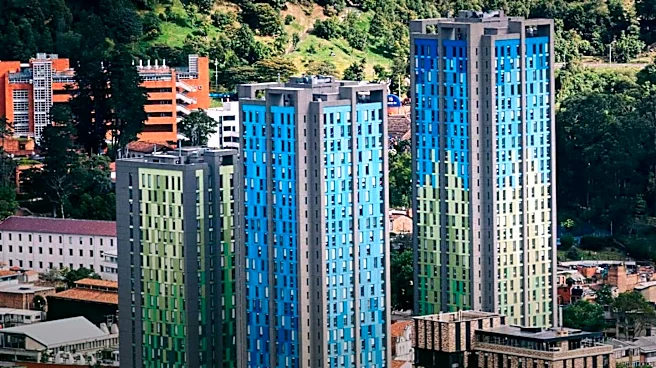
Downtown St. Paul is experiencing a revitalization with the opening of the Stella Residences, a $70 million office-to-residential conversion project, and a new Aldi grocery store. The Stella Residences, formerly the 17-story Ecolab tower on Wabasha Street,
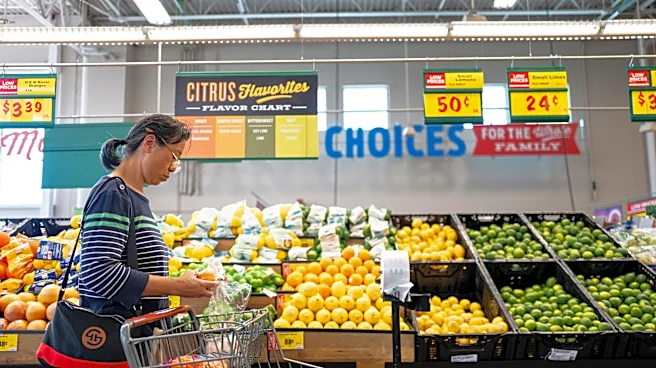
now offers 176 luxury apartments. Developer Carl Kaeding described the conversion as challenging but rewarding, with the building currently at 20% occupancy and aiming for 94-95%. The new Aldi, located about half a mile from the Stella, marks the return of a grocery store to downtown St. Paul after a nearly two-year absence. City and business leaders view these developments as crucial steps in addressing the central business district's 35% office vacancy rate, a consequence of commercial leases expiring and fewer workers returning to offices post-pandemic. Joe Spencer, Downtown Alliance President, emphasized that increasing residential density is the core strategy for the city's revival.
Why It's Important?
This dual development is significant for downtown St. Paul as it directly addresses the challenges posed by high office vacancy rates and the lack of essential amenities. Converting vacant office spaces into residential units not only repurposes underutilized buildings but also brings more residents into the urban core, fostering a more vibrant and active downtown. The return of a grocery store, specifically Aldi, is a critical component of this strategy, as it provides a fundamental service that enhances the quality of life for new and existing residents. This move is expected to attract further investment and development, creating a positive feedback loop for urban growth. For businesses, a denser residential population means a larger customer base, potentially leading to more retail and service establishments. The success of this model could serve as a blueprint for other U.S. cities grappling with similar post-pandemic urban challenges, demonstrating a viable path toward sustainable downtown revitalization.
What's Next?
The immediate focus will be on increasing the occupancy rate of the Stella Residences and monitoring the impact of the new Aldi on downtown foot traffic and resident satisfaction. City leaders and developers will likely continue to explore further office-to-residential conversion projects, potentially incentivizing such transformations to accelerate the revitalization process. The success of these initial projects will be crucial in attracting more developers and residents. There may also be efforts to attract additional retail and service businesses to cater to the growing residential population. The long-term goal is to transform downtown St. Paul into a thriving mixed-use neighborhood, reducing its reliance on traditional office occupancy. However, the stakes remain high, as developer Carl Kaeding noted that "vacancy feeds vacancy," underscoring the need for sustained momentum to prevent a reversal of these positive trends.
Beyond the Headlines
The St. Paul redevelopment project highlights a broader national trend of urban centers adapting to changing work patterns and evolving resident needs. The shift from a predominantly commercial downtown to a more residential and mixed-use environment reflects a re-evaluation of urban planning in the post-pandemic era. This transformation can lead to more resilient and dynamic city centers, less susceptible to economic downturns that disproportionately affect single-use districts. However, it also raises questions about affordability and gentrification, as new luxury developments can price out long-term residents or small businesses. The integration of essential services like grocery stores is vital for creating truly livable urban communities, moving beyond mere housing to foster comprehensive neighborhood ecosystems. This evolution of downtowns could redefine urban identity, emphasizing community, convenience, and a blend of living, working, and leisure spaces.