
What's Happening?
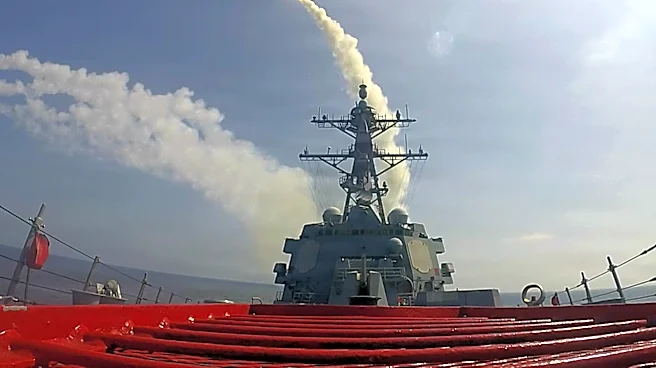
The Pentagon is under scrutiny following reports of a missile shortage amid ongoing military operations in Iran. The U.S. has reportedly depleted its long-range and defensive missile stockpile, raising
concerns about the country's ability to sustain its military efforts. Defense Secretary Pete Hegseth has faced criticism for the situation, with President Trump reportedly expressing frustration over the shortage. The administration is seeking to increase defense spending, proposing a $1.15 trillion military budget, which would be the largest in U.S. history. Critics argue that the administration is using the missile shortage to justify increased military spending, potentially bypassing standard contracting regulations.
Why It's Important?
The missile shortage highlights vulnerabilities in the U.S. military's supply chain and raises questions about the sustainability of current military operations. The proposed increase in defense spending could have significant implications for U.S. fiscal policy and budget priorities. Critics warn that the administration's approach may lead to unchecked military spending and reduced congressional oversight. The situation underscores the challenges of balancing national security needs with fiscal responsibility and accountability in defense contracting.
What's Next?
Congress faces pressure to approve the proposed defense budget, which includes provisions for rapid acquisition pathways that could expedite missile production. Lawmakers must weigh the urgency of addressing the missile shortage against concerns about fiscal responsibility and oversight. The outcome of these budget negotiations will have long-term implications for U.S. defense policy and military readiness. Additionally, the administration's handling of the situation may influence public perception and political dynamics ahead of future elections.