




What's Happening?
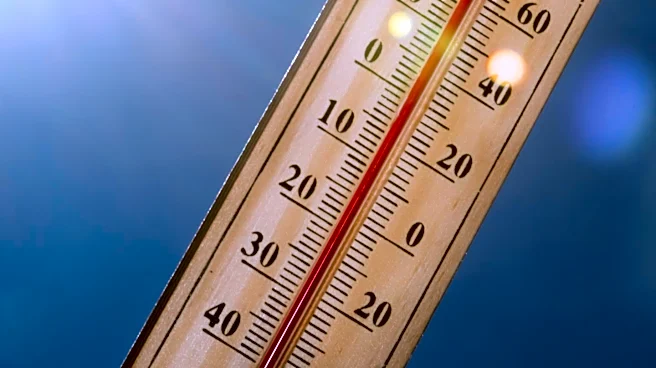
South Korea has recorded its highest temperature since records began, with the southeastern city of Yangsan reaching 42.5 degrees Celsius. This marks the fifth consecutive day of temperatures exceeding 40 degrees Celsius in Yangsan, which has been the epicenter
of the ongoing heatwave. The Korea Meteorological Administration has placed much of the country under heat warnings, with temperatures in many cities climbing into the high 30s. More than 20 localities are under emergency heatwave alerts, a new category introduced this year to address rising temperatures. The average annual number of heatwave days in South Korea has more than doubled over the past five years, highlighting the increasing frequency and intensity of extreme weather events due to human-induced climate change.
Why It's Important?
The record-breaking temperatures in South Korea underscore the growing impact of climate change on global weather patterns. As heatwaves become more frequent and intense, they pose significant challenges to public health, infrastructure, and energy consumption. The emergency heatwave alerts reflect the need for improved management strategies to protect vulnerable populations and mitigate the effects of extreme heat. This situation also highlights the urgency for international cooperation and policy measures to address climate change and reduce greenhouse gas emissions. The rising temperatures could lead to increased demand for cooling systems, affecting energy consumption and potentially straining power grids.