


What's Happening?
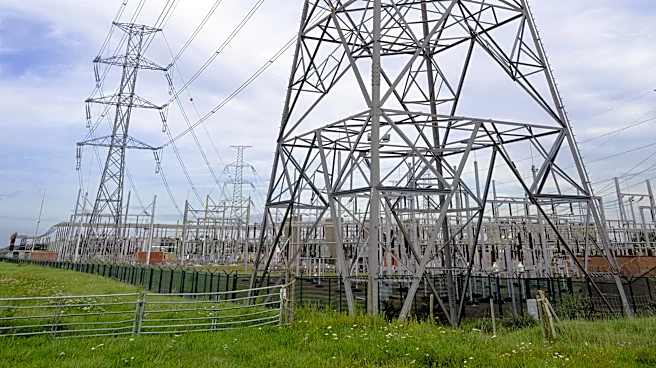
A new report by the Atlantic Council, co-authored by Dr. Benjamin L. Schmitt and Uliana Certan, advocates for expanding the scope of the Vertical Corridor beyond natural gas infrastructure to include electricity networks, power generation, and enhanced
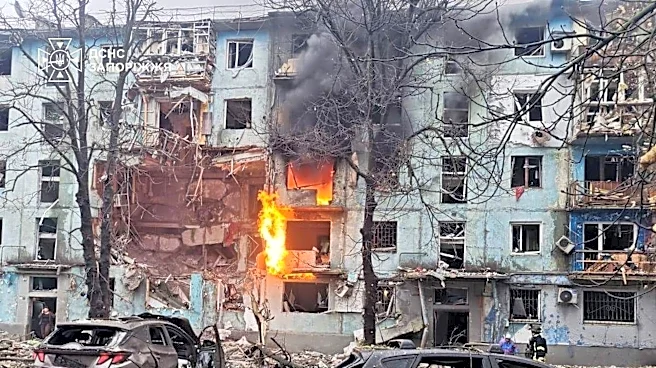
protection of critical energy assets. The report, titled 'A new vision for the Vertical Corridor: European energy security through infrastructure optimization,' was presented at an Atlantic Council session in Bucharest on November 16, 2026. Dr. Schmitt, a Senior Fellow at the University of Pennsylvania, highlighted Romania's strategic position and the potential of Neptun Deep gas production. The discussion also touched upon commercial obstacles, the need for regulatory and tariff reforms to address 'tariff pancaking,' and the implications of recent US-Russia energy developments for European security. The report emphasizes the increasing physical threats to energy infrastructure in the Black Sea region, including Russian sabotage campaigns and drone incursions.
Why It's Important?
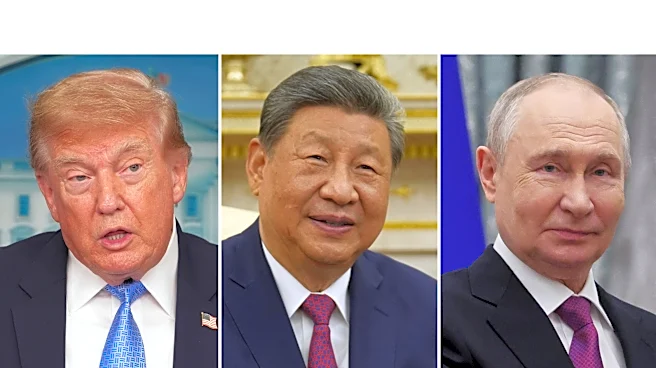
This report is crucial for U.S. and European energy policy as it underscores the evolving landscape of energy security, particularly in the context of Russian aggression and its weaponization of energy. The call for a broader Vertical Corridor, integrating various energy infrastructures, aims to reduce Europe's reliance on Russian energy and enhance regional stability. The emphasis on physical security highlights the growing concern over sabotage and cyber threats to critical infrastructure, which has direct implications for NATO's collective defense. The report's analysis of 'tariff pancaking' and regulatory fragmentation points to economic inefficiencies that hinder the commercial viability of alternative energy routes, affecting U.S. energy exporters and European consumers. Furthermore, the discussion of recent US-Russia energy 'deals' under the President Trump administration raises questions about transatlantic policy consistency and the unified front against Russian influence, impacting U.S. diplomatic efforts and sanctions regimes.
What's Next?
The Atlantic Council report's recommendations will likely inform ongoing discussions among European policymakers regarding energy infrastructure development and regulatory harmonization. The European Union has set deadlines to phase out Russian natural gas by January 1, 2027, for LNG and November 1, 2027, for pipeline gas. Rigorous enforcement and oversight will be required at both EU and member state levels to prevent Russian gas from re-entering the European market through third countries or alternative trading arrangements, such as the Turkish Gas Hub. On the U.S. side, bipartisan congressional efforts are expected to continue to counter any White House initiatives that might weaken energy restrictions on the Russian Federation. This includes potential legal challenges and increased oversight of U.S. port authorities, banks, and offtakers regarding the import of Russian fuels.
Beyond the Headlines
The report delves into the deeper implications of energy security, moving beyond mere supply diversification to encompass the physical and regulatory integrity of energy systems. The re-emergence of physical threats, such as sabotage and drone attacks, signifies a shift in geopolitical strategy, where energy infrastructure becomes a direct target in hybrid warfare. This necessitates a re-evaluation of defense and security protocols for critical infrastructure across Europe and potentially in the U.S. The 'tariff pancaking' issue highlights the complex interplay between national economic interests and broader regional energy security goals, suggesting that purely market-driven solutions may not suffice in a geopolitically charged environment. The divergence in U.S. and European approaches to Russian energy, particularly under the President Trump administration, could strain transatlantic alliances and complicate efforts to present a united front against Russian aggression, potentially leading to long-term shifts in global energy governance and security paradigms.