






What's Happening?
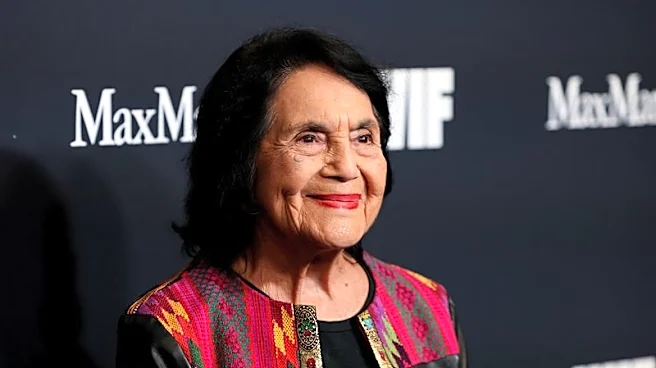
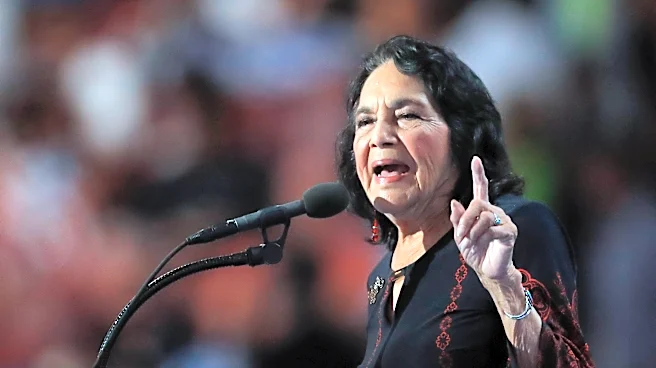
Dolores Huerta, a pivotal leader in the farmworkers' labor movement and a staunch ally of the LGBTQ community, passed away on October 28 at the age of 96. Her family announced her death from cancer at her home in Bakersfield via an Instagram post. Huerta co-founded
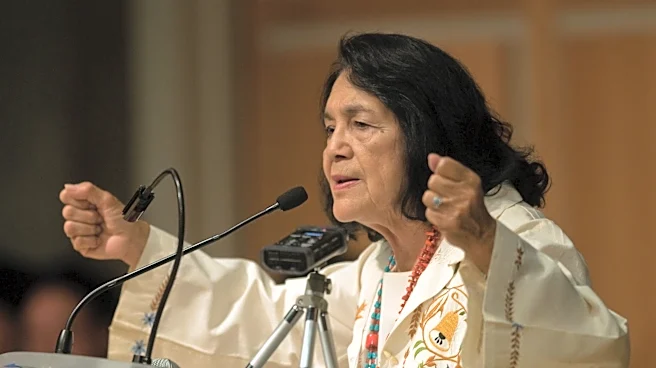
the United Farm Workers of America with Cesar Chavez, tirelessly advocating for improved pay and working conditions for farmworkers. Her activism extended to supporting LGBTQ rights, including same-sex marriage, and she was a keynote speaker at San Francisco Pride's fourth Human Rights Summit in June. Political leaders across California, including gay Congressmember Robert Garcia (D-Long Beach), gay state Senator Scott Wiener (D-San Francisco), California Assembly Speaker Robert Rivas (D-Hollister), and outgoing Governor Gavin Newsom, issued statements mourning her passing and highlighting her profound impact on civil rights, labor, and social justice. Huerta's legacy includes her instrumental role in the Agricultural Labor Relations Act of 1975, which granted California farmworkers the right to collectively organize.
Why It's Important?
Dolores Huerta's passing marks the end of an era for civil rights and labor activism in the United States. Her lifelong dedication to fighting for the rights of marginalized communities, particularly farmworkers and LGBTQ individuals, has left an indelible mark on American society. Her work with the United Farm Workers not only secured better conditions for agricultural laborers but also inspired countless other social justice movements. Her advocacy for LGBTQ rights, especially as a straight ally, demonstrated the power of intersectionality in activism, bridging different struggles for equality. The outpouring of tributes from prominent political figures underscores her widespread influence and the respect she commanded across various political spectrums. Her legacy serves as a powerful reminder of the importance of grassroots organizing and sustained advocacy in achieving meaningful social change, impacting labor laws, civil rights, and the ongoing fight for equality for all Americans.
What's Next?
Dolores Huerta's death will undoubtedly prompt reflections on the future of labor and civil rights movements in the U.S. Her call to 'Organize, organize, organize' will likely resonate with current and future generations of activists. Expect renewed discussions and efforts to continue her work, particularly in advocating for farmworkers' rights and LGBTQ equality. The ongoing debate surrounding the renaming of public spaces previously honoring Cesar Chavez, in light of recent allegations, may also see renewed attention, with a focus on honoring figures like Huerta who championed ethical leadership. Her legacy will continue to inspire legislative efforts aimed at protecting workers' rights and advancing social justice. Educational institutions and advocacy groups will likely continue to highlight her contributions, ensuring her principles of courage, determination, and collective action remain central to social change efforts.
Beyond the Headlines
Beyond her direct impact on labor and civil rights, Dolores Huerta's life story offers profound lessons on leadership, resilience, and the power of an individual to effect change. Her journey from a teacher witnessing her students' poverty to a national icon of activism highlights the deep connection between social issues and personal experience. Her ability to inspire and mobilize diverse groups, from farmworkers to LGBTQ communities, speaks to a universal message of dignity and justice. Her emphasis on 'Sí, se puede' (Yes, we can) became a rallying cry that transcended specific movements, embodying a spirit of hope and empowerment. Her legacy challenges contemporary society to continue addressing systemic inequalities and to foster inclusive movements that recognize the interconnectedness of various struggles for human rights. Her life serves as a testament to the enduring power of activism in shaping a more just and equitable world.