





What's Happening?
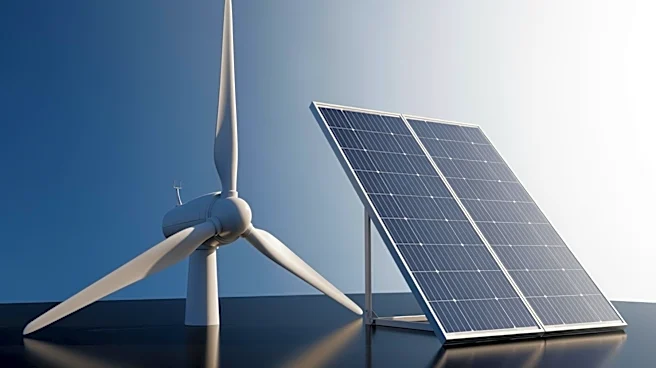
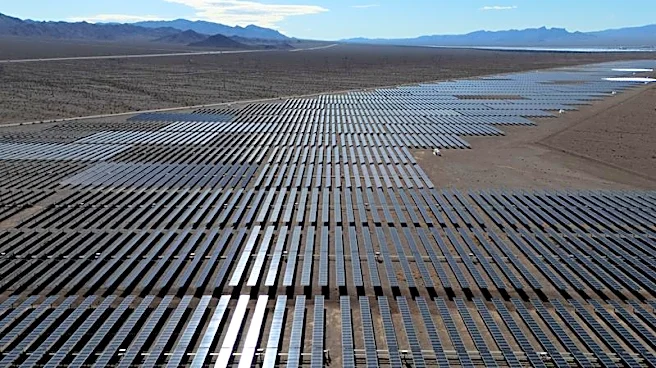
A U.S. District Court judge has nullified a policy from the Trump administration that restricted federal tax subsidies for wind and solar energy projects. The policy, implemented last year, was part of President Trump's broader efforts to curb the growth
of clean energy technologies, which he criticized as unreliable and overly subsidized. Judge Colleen Kollar-Kotelly ruled that the Internal Revenue Service (IRS) did not provide sufficient justification for removing a longstanding definition of what constitutes a project under construction. This definition was crucial for projects to qualify for a 30% tax credit, which could be further increased with bonuses. The lawsuit against the IRS rules was filed by several environmental and consumer advocacy groups, including the Oregon Environmental Council and the Natural Resources Defense Council, as well as the city of San Francisco. They argued that the rule change would increase electricity costs and hinder the development of clean energy projects.
Why It's Important?
The court's decision is significant as it reinstates the potential for wind and solar projects to access critical tax incentives, which are vital for their financial viability. By overturning the policy, the ruling supports the growth of the clean energy sector, which is essential for reducing carbon emissions and combating climate change. The decision also highlights the ongoing legal and political battles over energy policy in the U.S., reflecting broader tensions between fossil fuel interests and renewable energy advocates. The ruling could lead to increased investment in renewable energy projects, potentially lowering energy costs for consumers and contributing to a more sustainable energy future.
What's Next?
The IRS will need to reconsider its rules regarding the definition of projects under construction, which could lead to new guidelines that align with the court's decision. This process may involve further legal challenges or adjustments to ensure compliance with federal law. Stakeholders in the clean energy sector, including developers and investors, will be closely monitoring these developments to understand the implications for future projects. Additionally, the decision may influence other legal and policy debates related to energy subsidies and environmental regulations.