



What's Happening?
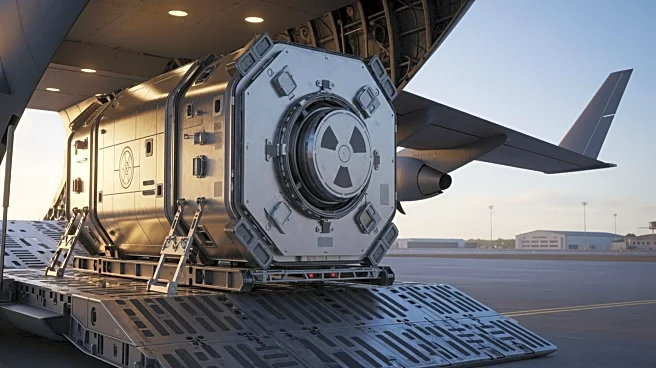
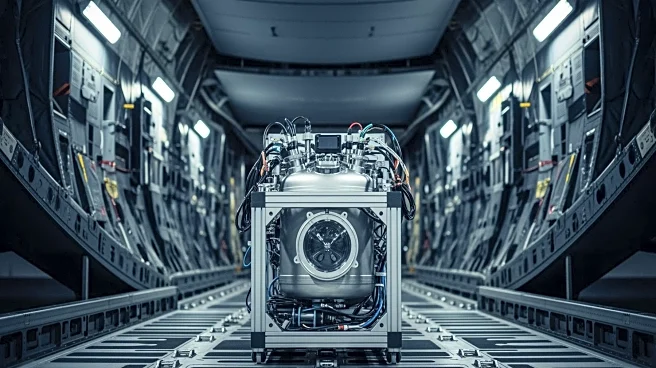
The Pentagon and the Energy Department have successfully airlifted a small nuclear reactor from California to Utah, marking a significant step in the U.S. effort to deploy nuclear power for both military and civilian use. This 5-megawatt microreactor,
transported without nuclear fuel, is part of the Trump administration's initiative to promote nuclear energy to meet increasing power demands from AI and data centers. The demonstration flight is seen as a breakthrough in fast-tracking commercial licensing for microreactors, which are designed to provide resilient power independently of the civilian grid.
Why It's Important?
This development underscores the strategic importance of nuclear energy in enhancing energy security and supporting technological advancements. Microreactors offer a portable and efficient solution to power needs, particularly for military bases and remote locations. The initiative aligns with President Trump's broader energy policy, which emphasizes nuclear power as a reliable, carbon-free energy source. However, the project faces skepticism regarding the safety and economic feasibility of microreactors, highlighting the need for thorough evaluation and regulatory oversight.
What's Next?
The microreactor will undergo testing and evaluation at the Utah San Rafael Energy Lab, with plans to begin selling power on a test basis next year. The Energy Department is also in discussions with states to address nuclear waste disposal. As the project advances, it will be crucial to address safety concerns and establish a clear regulatory framework to ensure the secure deployment of microreactors. The outcome of these efforts could significantly influence the future of nuclear energy in the U.S.