




What's Happening?
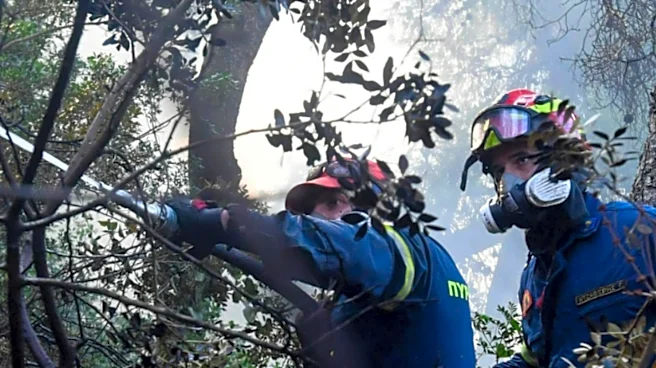
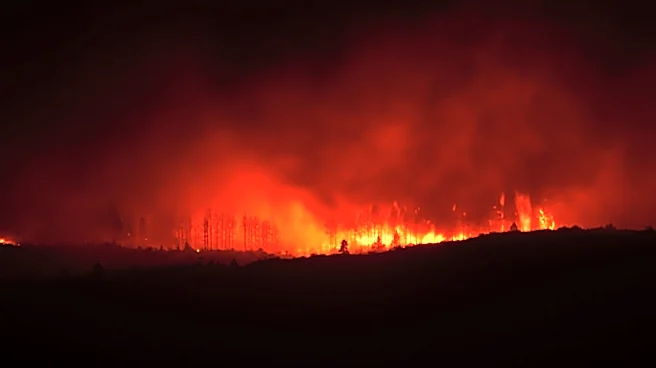
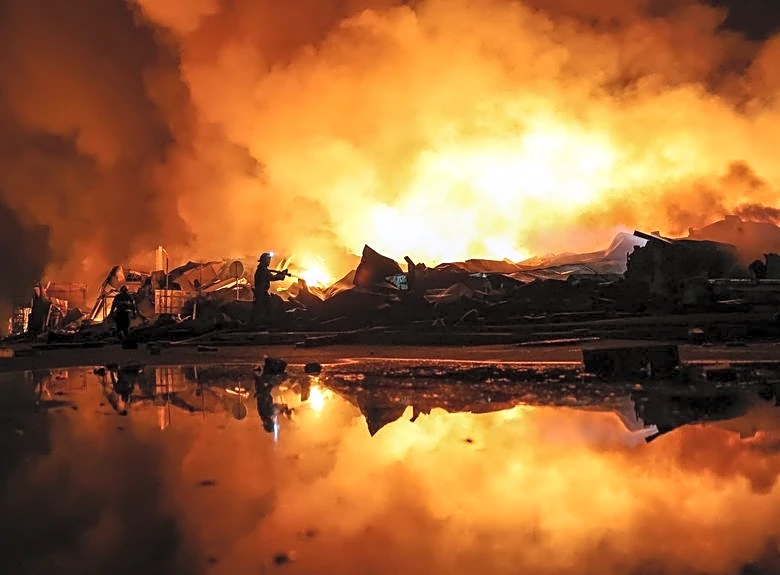
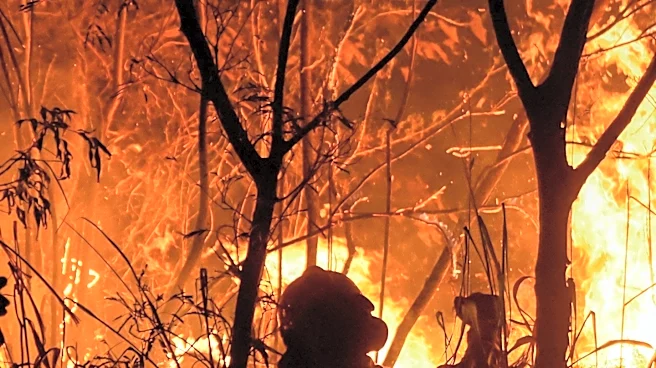
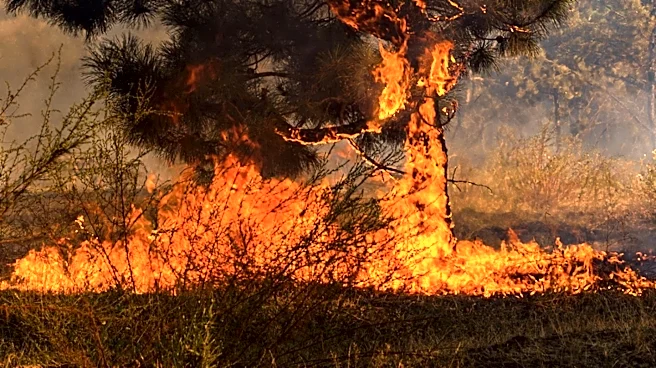
The impact of climate change is increasingly evident as summers, once a time of joy and leisure, have become seasons of extreme heat and danger. In Europe, an estimated 20,000 people have died due to extreme heat, while in eastern Washington, 600 homes
have been destroyed by wildfires. The rising temperatures and climate-fueled disasters are altering the perception of summer, turning it into a period of threat rather than delight. This shift is part of a broader pattern of environmental changes that are affecting the global climate, leading to more frequent and severe weather events.
Why It's Important?
The transformation of summer into a season of peril highlights the urgent need for climate action. The increasing frequency and intensity of heatwaves and wildfires pose significant risks to public health, safety, and infrastructure. These changes also have economic implications, affecting agriculture, tourism, and energy consumption. The loss of traditional summer activities and the associated cultural and social impacts underscore the broader consequences of climate change. Addressing these challenges requires coordinated efforts from governments, businesses, and individuals to reduce emissions and implement sustainable practices.
Beyond the Headlines
The shift in summer's character is a reminder of the intangible losses caused by climate change. Beyond the physical and economic damages, there is a loss of cultural and emotional experiences associated with the season. This change also raises ethical questions about intergenerational responsibility and the need to preserve the environment for future generations. The ongoing climate crisis calls for a reevaluation of priorities and a commitment to protecting the planet's natural resources and ecosystems.