




What's Happening?
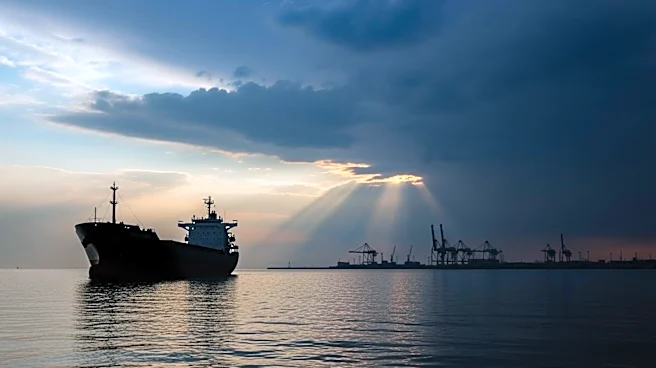
China's foreign ministry has condemned the U.S. blockade of Iranian ports, labeling it as 'dangerous and reckless.' The blockade, implemented despite a temporary truce, involves increased U.S. military deployments and a targeted blockade, which China argues
could exacerbate the conflict and undermine the ceasefire. The Chinese government has called for all parties to respect ceasefires, engage in dialogue, and take practical steps to reduce regional tensions. The situation highlights the fragile nature of the ceasefire and the potential for increased conflict in the region.
Why It's Important?
The U.S. blockade of Iranian ports has significant implications for international relations and regional stability. China's criticism reflects broader concerns about the escalation of military actions and their potential to disrupt global trade and navigation. The blockade could lead to increased tensions between the U.S. and China, as well as other international stakeholders invested in Middle Eastern stability. The situation underscores the importance of diplomatic engagement and multilateral efforts to resolve conflicts and maintain peace in strategically important regions.
What's Next?
The U.S. may face increased diplomatic pressure from China and other countries to lift the blockade and pursue peaceful resolutions. The situation could lead to further international negotiations aimed at de-escalating tensions and ensuring safe passage through the Strait of Hormuz. The response from the U.S. and its allies will be critical in determining the future of the ceasefire and the broader geopolitical landscape in the Middle East.