



What's Happening?
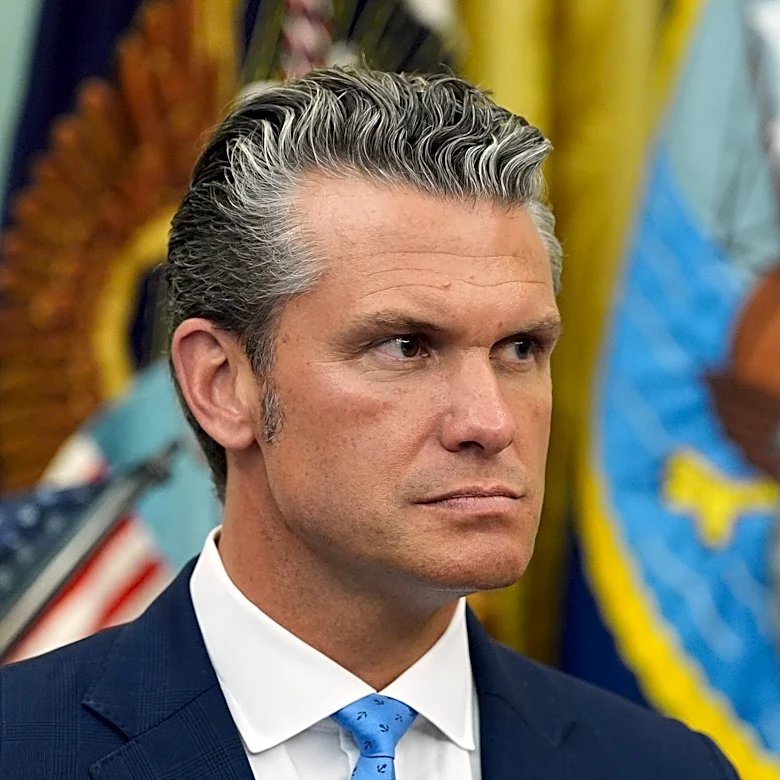
U.S. Trade Representative Jamieson Greer has stated that the Trump administration will not tolerate further retaliatory measures from Canada following Ottawa's introduction of dollar-for-dollar tariffs. In an interview with CBC News, Greer asserted that the U.S. would
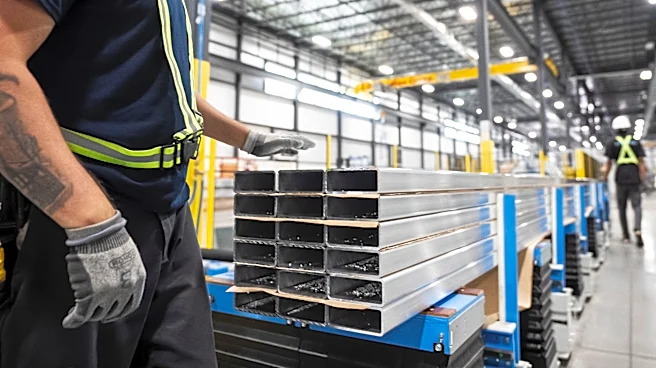
not "just sit down and take" additional retaliation and would pursue its trade policy in a manner that best serves American interests. Greer also indicated that the U.S. might consider banning certain Canadian goods, describing this as an extreme measure not previously undertaken. He disputed Canada's claims that last-minute U.S. changes led to the collapse of trade talks, arguing that Canada's subsequent requests were excessive for the United States. Greer emphasized that the U.S. aims to re-industrialize after experiencing significant job losses and factory closures over the past 25 years due to globalization. He also clarified that the U.S. views steel, aluminum, and autos as national security measures, which fall within the exclusions of the USMCA agreement.
Why It's Important?
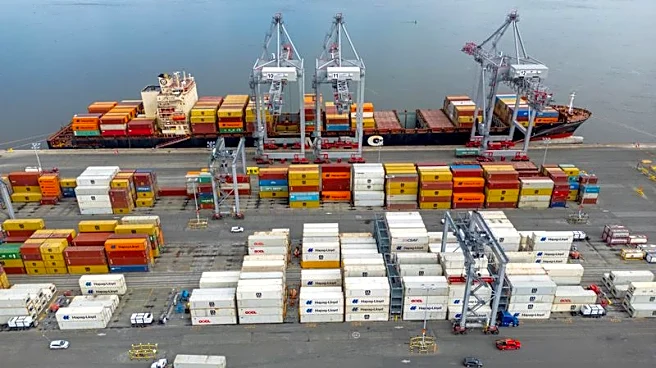
This development signifies a hardening stance in U.S.-Canada trade relations, potentially escalating an already tense situation. The U.S. refusal to accept further Canadian retaliation, coupled with the threat of banning Canadian goods, could lead to a more significant trade dispute. Such actions would directly impact U.S. industries that rely on Canadian imports or exports, potentially disrupting supply chains and increasing costs for consumers. For instance, a ban on Canadian goods could affect sectors like automotive, agriculture, or natural resources, leading to job losses or reduced profitability for American businesses. The U.S. focus on re-industrialization and the classification of certain goods as national security measures underscore a broader shift in American trade policy towards protectionism. This approach prioritizes domestic manufacturing and employment, potentially at the expense of established international trade relationships and global economic integration. The ongoing disagreement also highlights the challenges of maintaining stable trade agreements when national interests diverge, particularly concerning sensitive sectors like automotive manufacturing and raw materials.
What's Next?
The immediate future of U.S.-Canada trade relations appears uncertain, with U.S. Trade Representative Jamieson Greer indicating that there are currently no open channels of communication between him and Canadian Trade Minister Dominic LeBlanc. If Canada proceeds with further retaliatory tariffs, the U.S. is likely to respond with additional measures, potentially including the previously mentioned ban on certain Canadian goods. This could lead to a tit-for-tat escalation, further damaging economic ties between the two nations. Businesses in both countries will need to prepare for potential disruptions, including increased tariffs, import restrictions, and supply chain uncertainties. Political leaders in both the U.S. and Canada will face pressure to either de-escalate the situation through renewed negotiations or to implement policies that protect their respective domestic industries from the fallout of a prolonged trade dispute. The situation could also influence broader international trade dynamics, as other countries observe how the U.S. handles disputes with its closest trading partners.
Beyond the Headlines
The current trade dispute between the U.S. and Canada extends beyond immediate economic concerns, touching upon deeper issues of national sovereignty, economic philosophy, and the future of global trade. The U.S. assertion that it will not "just sit down and take" retaliation, combined with the threat of import bans, reflects a more aggressive and unilateral approach to trade policy. This stance challenges the traditional multilateral framework of international trade and could encourage other nations to adopt similar protectionist measures. The U.S. emphasis on re-industrialization and the protection of domestic jobs, even at the cost of established trade relationships, signals a long-term shift in economic priorities. This could lead to a re-evaluation of global supply chains and a greater focus on domestic production capabilities. Furthermore, the breakdown in communication between U.S. and Canadian trade officials highlights a potential erosion of diplomatic trust, which could have lasting implications for bilateral relations beyond trade, affecting areas such as security cooperation and cultural exchange.