

What's Happening?
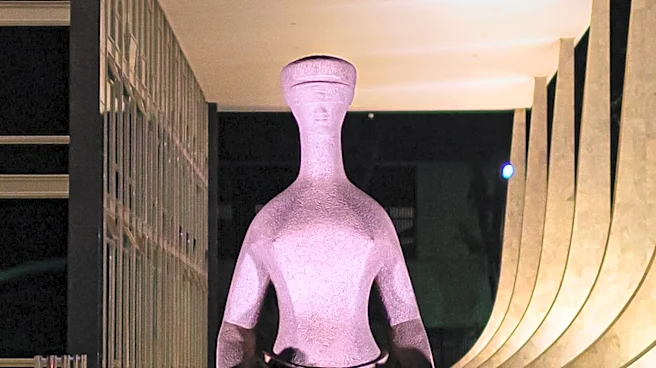
Brazil's Superior Electoral Court (TSE) is set to convene to discuss tightening regulations against deepfakes in political campaigns, prompted by an artificial intelligence-generated video that simulated former president Jair Bolsonaro endorsing his son,
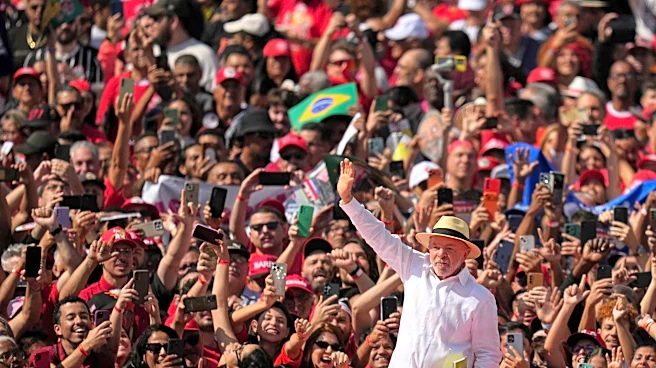
Senator Flávio Bolsonaro, for president. The court's president, Kassio Nunes Marques, initially downplayed the impact of deepfakes but has reportedly been persuaded by colleagues about their potential to distort elections. The current electoral advertising resolution prohibits the use of synthetic content that creates, replaces, or alters the image or voice of a person to harm or favor a candidacy. However, members of the court have criticized the wording, advocating for clearer definitions of deepfakes and when their use is permissible. The TSE is expected to consider a proposal to completely bar candidates from publishing or republishing deepfakes. The meeting will also address a complaint filed by President Luiz Inácio Lula da Silva challenging the AI-generated Bolsonaro video.
Why It's Important?
This development is crucial for the integrity of democratic processes, particularly in the context of upcoming elections. The proliferation of deepfake technology poses a significant threat by enabling the creation of highly realistic but fabricated content that can mislead voters, spread misinformation, and undermine public trust in electoral outcomes. The TSE's decision on stricter regulations could set a precedent for how other nations, including the U.S., address the challenges of AI in political campaigns. The debate within the court highlights the difficulty in balancing freedom of expression with the need to prevent electoral manipulation. Clearer guidelines are essential to ensure that AI tools are not used to unfairly influence public perception or create confusion between genuine and synthetic media, thereby safeguarding the fairness and transparency of elections.
What's Next?
The TSE is expected to decide on whether to tighten rules against deepfakes, potentially including a complete ban on their publication or republication by candidates. The court will also set a date to hear the case involving Flávio Bolsonaro's campaign video. While a severe penalty for Flávio Bolsonaro is not anticipated, a fine and an order to remove the video are likely. However, the court may issue warnings that indiscriminate use of deepfakes could be considered abuse of power, potentially leading to loss of office or ineligibility to run. The TSE president recently met with ambassadors from 86 countries to discuss the integrity of Brazil's electoral process and measures to address the misuse of AI tools, indicating a broader international concern and potential for collaborative efforts in this area.
Beyond the Headlines
The discussion around deepfake regulation in Brazil reflects a global challenge facing democracies worldwide. The rapid advancement of AI technology means that the ability to create convincing fake content is becoming more accessible, raising profound ethical and legal questions. Beyond the immediate electoral context, the issue touches upon broader societal concerns regarding truth, trust, and the nature of reality in the digital age. The lack of clear legal precedents and definitions for AI-generated content creates a complex landscape for regulators. This situation highlights the urgent need for international cooperation and the development of robust frameworks to manage the risks associated with AI in public discourse, ensuring that technological progress does not inadvertently erode the foundations of democratic governance.