





What's Happening?
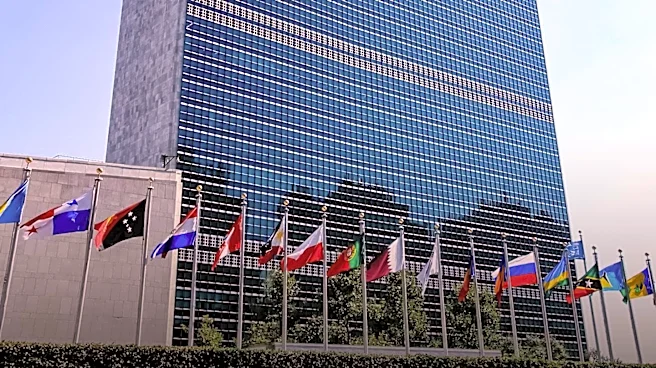
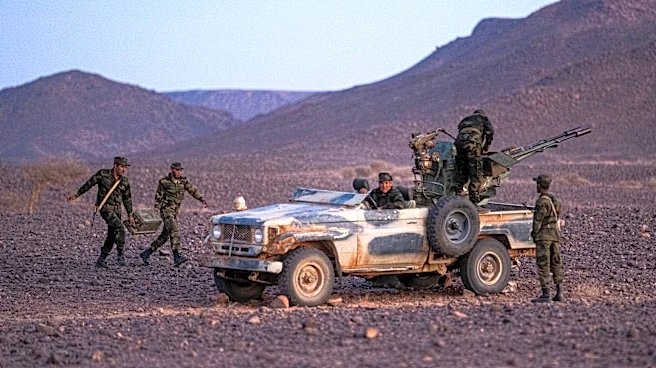
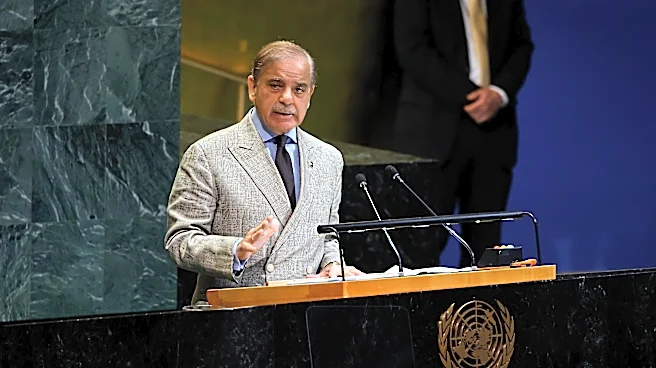
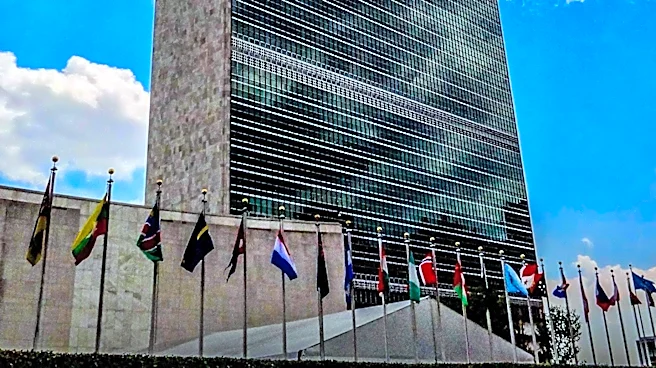
The United Nations Security Council has adopted a presidential statement emphasizing the critical role of diplomacy during active hostilities. Authored by Pakistan, the statement underscores the importance of maintaining communication channels between
parties in armed conflict to prevent escalation, facilitate ceasefires, and create conditions for peaceful political settlements. This initiative builds upon Resolution 2788, adopted in July 2025, which reaffirmed the Council’s commitment to peaceful dispute resolution under Chapter VI of the UN Charter. The statement requests the Secretary-General to continue promoting and supporting diplomacy, de-escalation, and mediation efforts before and during conflicts, utilizing his good offices and UN capacities, and to keep the Council informed of these endeavors.
Why It's Important?
This presidential statement is significant because it highlights a renewed focus on diplomatic engagement even amidst ongoing conflicts, a crucial aspect for global stability. For the United States, a permanent member of the Security Council, this statement reinforces the importance of diplomatic solutions in regions where U.S. interests are often intertwined with international peace and security. The emphasis on maintaining communication channels can help prevent miscalculations that could draw in more actors or escalate existing conflicts, potentially reducing the need for military intervention. By promoting de-escalation and mediation, the statement aims to mitigate humanitarian crises and protect civilian populations, aligning with broader U.S. foreign policy goals of human rights and stability. The request for the Secretary-General to actively promote these efforts also strengthens the UN's role as a central platform for conflict resolution.
What's Next?
The adoption of this presidential statement will likely lead to increased diplomatic efforts by the UN Secretary-General and his representatives in various conflict zones. Member states, including the United States, are expected to support these initiatives, potentially through financial contributions, diplomatic backing, or by facilitating mediation processes. The statement's call for maintaining communication channels could encourage parties in conflict to engage in dialogue, even if indirectly, which might pave the way for future peace talks or humanitarian corridors. The Security Council will likely monitor the implementation of these diplomatic efforts and receive regular updates from the Secretary-General, allowing for continuous assessment and potential adjustments to strategies for conflict resolution.
Beyond the Headlines
The statement's emphasis on diplomacy during active hostilities reflects a growing recognition within the international community that military solutions alone are often insufficient and can lead to prolonged suffering. This shift could signal a broader trend towards prioritizing preventive diplomacy and de-escalation mechanisms in international relations. However, the effectiveness of such statements often depends on the political will of member states, particularly the permanent members of the Security Council, to genuinely commit to diplomatic solutions over unilateral actions. The challenge lies in translating these principles into concrete actions on the ground, especially in conflicts where geopolitical interests are deeply entrenched and trust between warring parties is minimal. The statement also implicitly acknowledges the limitations of the Security Council in directly resolving all conflicts, thus empowering the Secretary-General's 'good offices' as a vital tool.