





What's Happening?
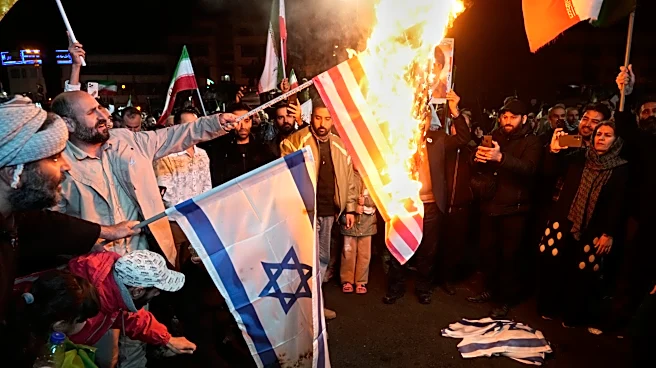
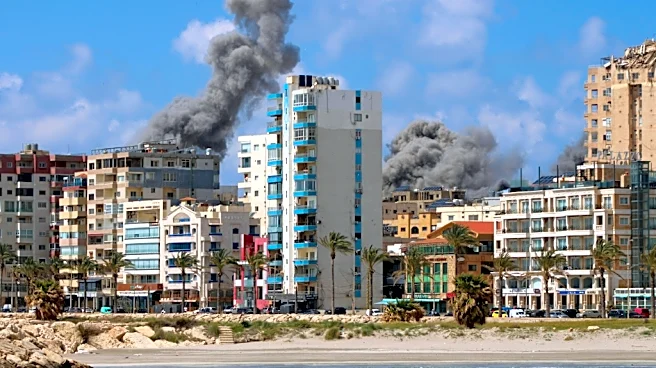
The ceasefire in the Middle East is under threat as Israel intensifies its bombing campaign in Lebanon, and Iran blocks the passage of oil tankers, citing an alleged Israeli ceasefire breach. The ceasefire, brokered by Iran and Pakistan, was meant to
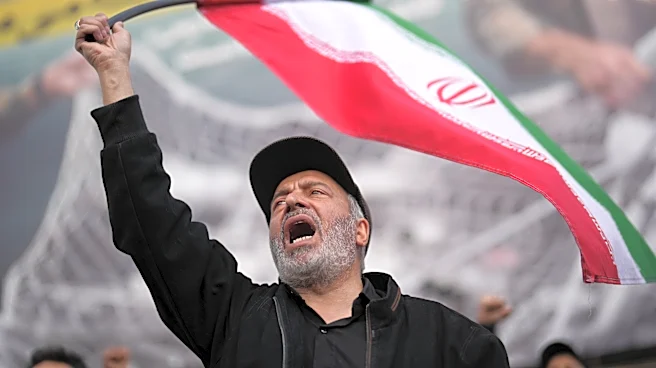
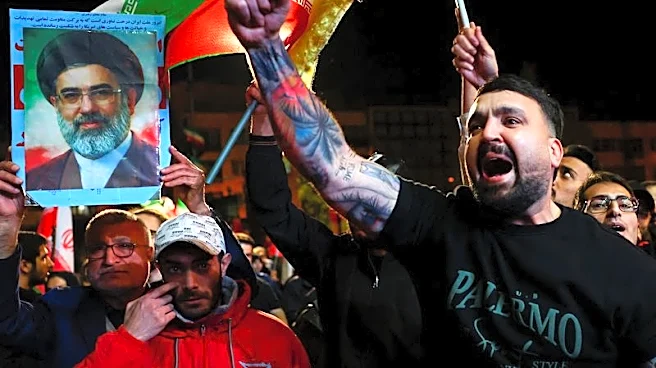
include Lebanon, but Israeli Prime Minister Benjamin Netanyahu disagrees, leading to increased military actions. The United Nations has condemned the scale of Israel's attacks, while Iran accuses Israel and the U.S. of violating the ceasefire terms. The situation has led to rising tensions and potential disruptions in oil supply, affecting global markets.
Why It's Important?
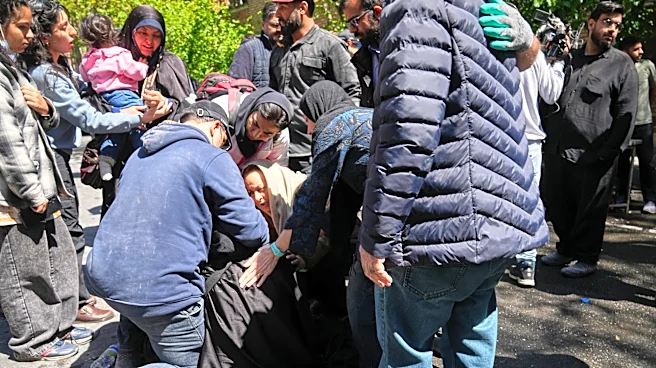
The escalation of conflict in the Middle East has significant implications for global stability and economic markets, particularly in the energy sector. The blockade of oil tankers by Iran could lead to increased oil prices, affecting economies worldwide. The conflict also poses a risk to regional security and could lead to further humanitarian crises. The involvement of major powers like the U.S. and Iran highlights the geopolitical complexities and the potential for broader international repercussions.
What's Next?
Diplomatic efforts may intensify to restore the ceasefire and prevent further escalation. The international community, including the United Nations, may increase pressure on the involved parties to adhere to the ceasefire terms. Monitoring of oil markets will continue as stakeholders assess the impact of the blockade. The situation remains fluid, with potential for further developments depending on the actions of Israel, Iran, and other regional players.