







What's Happening?
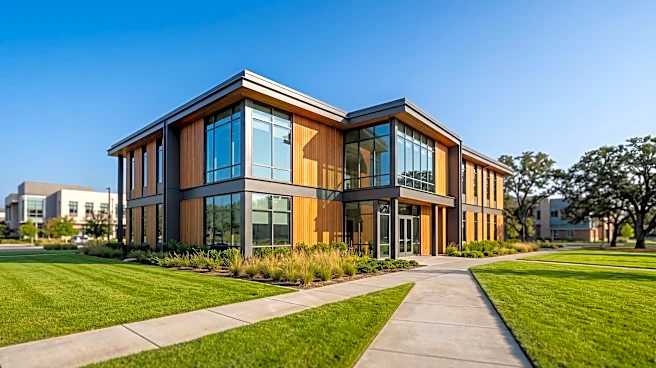
North Carolina 4-H has officially moved into a new headquarters on NC State University’s campus, located off Beryl Road. The College of Agriculture and Life Sciences (CALS) Extension Building now serves as the central hub for NC State Extension’s 4-H program
and the North Carolina FFA Association. This move brings both statewide youth development organizations together under one roof. NC State recently celebrated the opening of the facility with a ribbon-cutting ceremony attended by faculty, staff, Extension leaders, and supporters of 4-H and FFA. University and program leaders delivered remarks, and guests were offered tours of the new space and Howling Cow ice cream. The interim state 4-H program leader, Dr. Shannon McCollum, emphasized that the new building represents more than just a physical space, highlighting its role in fostering ideas, strengthening partnerships, supporting volunteers, and encouraging young people to become future leaders. The 4-H program, founded in 1909, serves over 275,000 youth annually across all 100 counties and the Eastern Band of Cherokee Indians, providing hands-on learning opportunities and life skill development.
Why It's Important?
The consolidation of North Carolina 4-H and the North Carolina FFA Association into a single, dedicated facility at NC State University signifies a strategic investment in youth development and agricultural education within the state. By co-locating these two prominent organizations, the CALS Extension Building is expected to foster greater collaboration and synergy between programs that share a common mission of preparing young people for future careers, particularly in agriculture and life sciences. This move provides a permanent and purpose-built space designed to support the work of 4-H and FFA, enhancing their capacity to deliver educational programs, support volunteers, and engage with youth across North Carolina. The emphasis on creating a space where 'ideas are created, partnerships are strengthened, volunteers are supported, young people are encouraged and future leaders discover what they are capable of doing' underscores the potential for increased impact on the state's future workforce and community leadership. The long-term benefits could include a more streamlined approach to youth outreach, improved resource sharing, and a stronger collective voice for agricultural and life sciences education.
What's Next?
With the new CALS Extension Building now operational, North Carolina 4-H and FFA will continue their mission of supporting youth, volunteers, and Extension professionals across the state. The move is expected to facilitate enhanced program delivery and collaboration between the two organizations, which formally joined the Department of Agricultural and Human Sciences earlier this year. This departmental alignment, coupled with the shared physical space, is anticipated to lead to more integrated initiatives and a more cohesive approach to youth development. The focus will remain on providing young people with opportunities to learn by doing, develop essential life skills, and prepare for future careers. Stakeholders, including university leaders, program staff, and community partners, will likely work to leverage the new facility to expand outreach, innovate program offerings, and strengthen the support networks for youth participants. The building is envisioned as a hub for generating new ideas and fostering leadership among the next generation.
Beyond the Headlines
The establishment of the CALS Extension Building as a joint headquarters for North Carolina 4-H and FFA reflects a broader recognition of the critical role these organizations play in shaping the future of rural communities and the agricultural sector. Beyond the immediate benefits of shared space and resources, this consolidation could symbolize a renewed commitment to hands-on, experiential learning and the development of practical skills among young people. In an era where digital literacy often overshadows vocational and agricultural education, this investment highlights the enduring value placed on traditional youth development programs that emphasize leadership, community service, and scientific inquiry. The ethical implication lies in ensuring equitable access to these enhanced resources for all youth across the state, particularly those in underserved areas. Culturally, it reinforces the importance of agricultural heritage and the continuous need for skilled individuals in food production and natural resource management, contributing to the long-term sustainability and economic vitality of North Carolina.