








What's Happening?
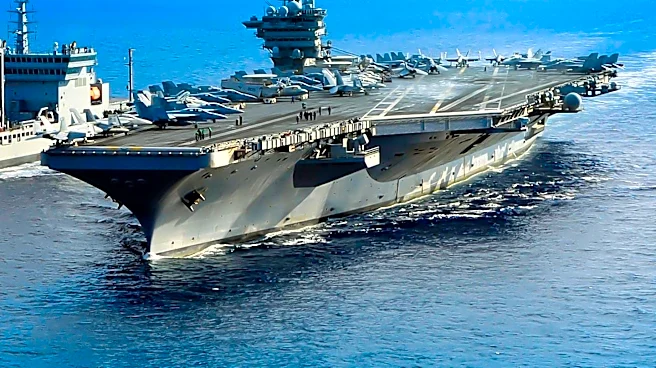
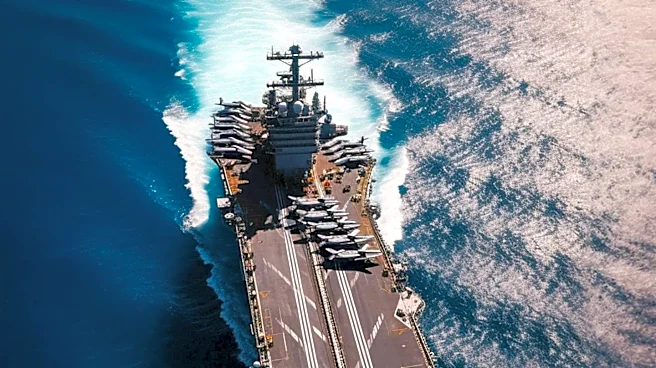
Reports have emerged about deteriorating living conditions and mental health issues aboard the USS Abraham Lincoln, a U.S. Navy aircraft carrier. The vessel, which has been deployed for over eight months supporting military operations against Iran, was
expected to return in May but remains at sea with no announced return date. Family members of the approximately 5,000 sailors and marines on board have expressed concerns about mental health, exhaustion, and safety. According to the Navy Times, there have been multiple attempts by sailors to jump overboard. Retired U.S. Navy Capt. Armen Kurdian noted that such incidents, while not daily occurrences, are not uncommon during deployments.
Why It's Important?
The situation aboard the USS Abraham Lincoln underscores the challenges of extended military deployments on service members' mental health and wellbeing. Prolonged periods at sea can exacerbate stress, fatigue, and mental health issues, potentially leading to severe consequences. The concerns raised by family members and lawmakers highlight the need for the military to address these issues proactively. Ensuring adequate mental health support and improving living conditions are crucial for maintaining the morale and effectiveness of military personnel. The situation also raises questions about the sustainability of extended deployments and their impact on service members and their families.
What's Next?
Democratic Sen. Richard Blumenthal has called for answers from defense officials regarding the extended deployment and associated issues, including food shortages and water contamination. He has requested a response by August 27, emphasizing the need for adequate supplies and support for the crew. The Navy is reportedly assessing sailors' mental readiness and providing access to mental health professionals. The outcome of these inquiries and the Navy's response will be critical in addressing the concerns and ensuring the wellbeing of service members on future deployments.