





What's Happening?
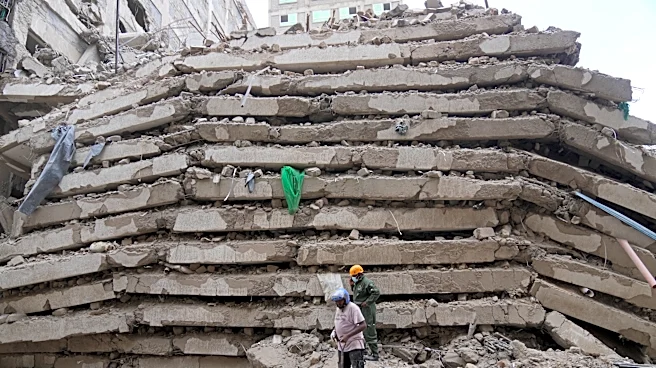
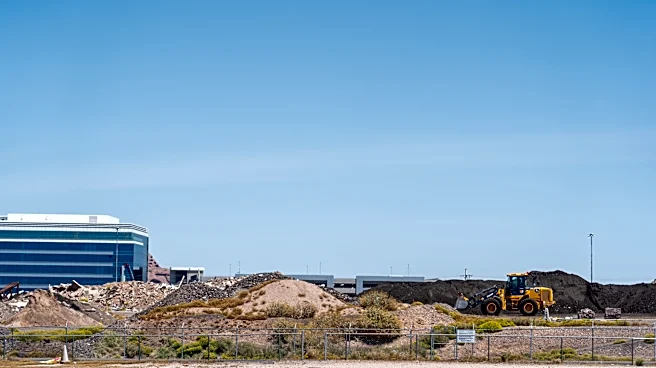
The long-abandoned Westmont Inn and Suites near 108th and L Streets in Omaha has been demolished, concluding a years-long conflict between the city and the property owner. Demolition efforts began in May, transforming the former hotel into piles of rubble.
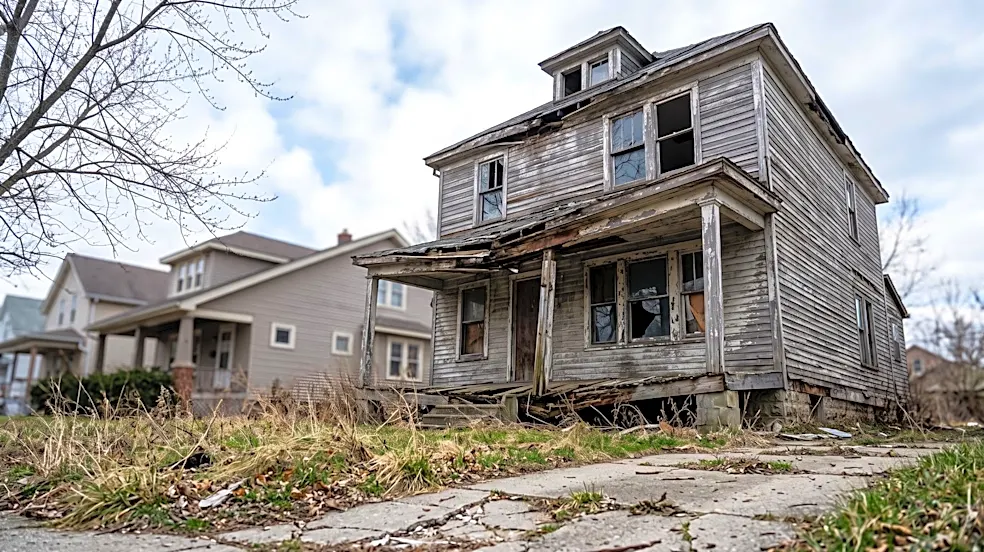
The city of Omaha ultimately spent $300,000 to tear down the structure after the property owner had consistently fought against its demolition. For years, the Westmont Inn was considered an eyesore by local residents and had become a magnet for squatters and vandalism. Neighbors, including Eddie Mayberry, expressed relief at the building's removal, citing issues such as graffiti and the presence of homeless individuals.
Why It's Important?
The demolition of the Westmont Inn signifies a victory for community revitalization and public safety in Omaha. Abandoned structures often attract criminal activity, depress property values, and create an unsafe environment for nearby residents. The city's decision to intervene and fund the demolition, despite resistance from the property owner, underscores its commitment to addressing urban blight and improving quality of life. This action could serve as a precedent for how Omaha handles other derelict properties, potentially encouraging more proactive measures to prevent similar situations. The removal of the Westmont Inn also opens up a valuable piece of land for potential redevelopment, which could bring new businesses, housing, or community spaces to the area, thereby boosting local economic activity and enhancing the neighborhood's appeal.
What's Next?
With the Westmont Inn now demolished, the focus shifts to the future of the cleared site. Neighbors, such as Emma Grafton, are optimistic about the potential for the property, hoping for developments that could increase property values. While some residents, like Eddie Mayberry, hope that any new construction will maintain the quiet character of the neighborhood, the site presents a significant opportunity for urban planning and investment. The city and local developers will likely explore various options for the land, which could include commercial establishments, residential complexes, or mixed-use developments. The process will involve zoning considerations, public input, and potential investment from private entities, all aimed at transforming the former blight into a beneficial asset for the community.
Beyond the Headlines
The saga of the Westmont Inn highlights the complex interplay between private property rights, public interest, and urban development. The years-long battle between the city and the property owner over demolition costs and responsibilities underscores the legal and financial challenges associated with addressing abandoned properties. This case could prompt discussions on strengthening municipal powers to deal with neglected properties more efficiently, potentially through revised ordinances or increased funding for blight removal programs. Furthermore, the community's strong reaction to the eyesore and its subsequent relief at the demolition reflect the significant impact that urban decay can have on residents' morale and sense of security. The successful removal of the Westmont Inn could foster a renewed sense of community pride and encourage residents to advocate for similar improvements in other parts of Omaha.