
What's Happening?
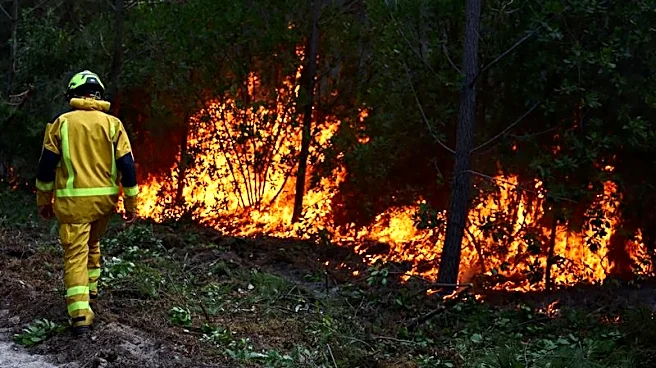
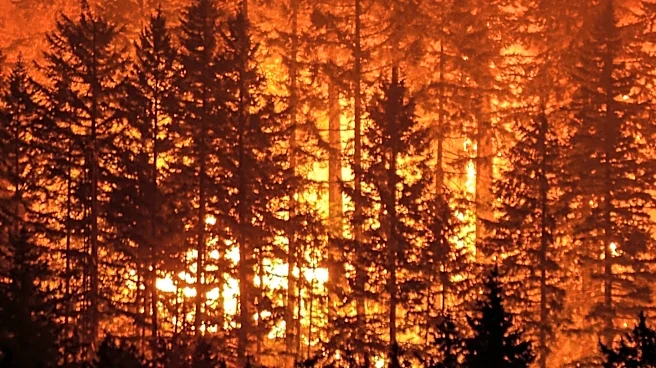
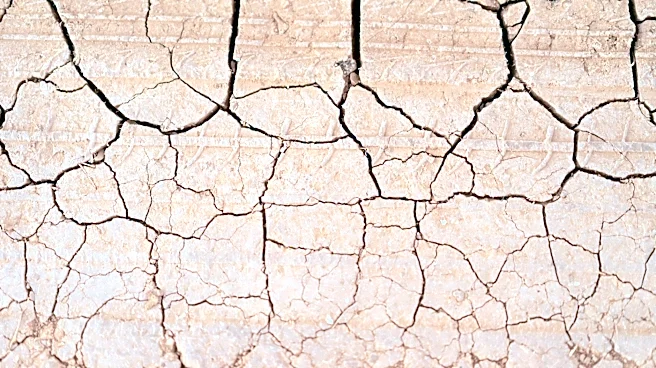
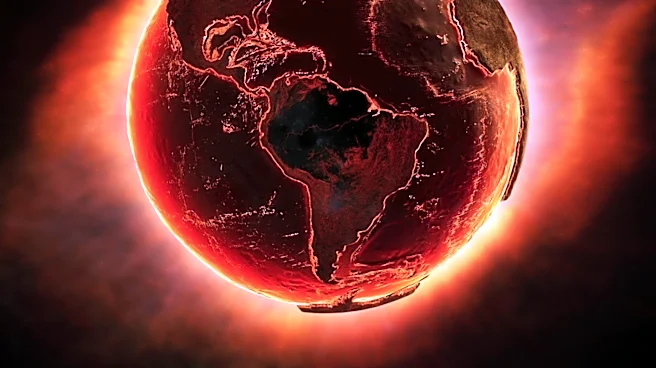
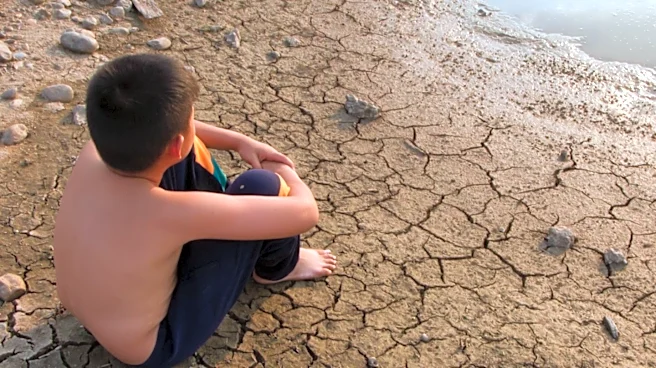
The first half of 2026 has seen a series of natural disasters exacerbated by climate change, including severe heatwaves in North America and Europe. These events have set new temperature records and are
linked to significant economic and social impacts. In Germany, for example, heatwaves have led to over 5,000 heat-related deaths. The economic impact is also substantial, with studies indicating that labor productivity decreases significantly during extreme heat events. The ongoing El Niño conditions are expected to further influence weather patterns, increasing the risk of droughts, wildfires, and severe storms in various regions.
Why It's Important?
The increasing frequency and intensity of natural disasters due to climate change pose significant challenges to global economies and societies. Heatwaves, in particular, are now considered the deadliest natural hazard, affecting human health, infrastructure, and productivity. The economic costs are substantial, as extreme weather events disrupt industries, reduce labor productivity, and damage infrastructure. These challenges underscore the urgent need for comprehensive climate policies and adaptation strategies to mitigate the impacts of climate change and enhance resilience against future disasters.
What's Next?
Governments and international organizations are likely to intensify efforts to address climate change and its impacts. This could involve implementing stricter emissions regulations, investing in renewable energy, and developing infrastructure to withstand extreme weather events. Additionally, there may be increased focus on international cooperation to address the global nature of climate change and its effects. These efforts will be crucial in mitigating the long-term impacts of climate change and ensuring sustainable economic and social development.